Restoring Quality Living
Persistent pain from orthopedic conditions does not stay contained to the physical. It reaches into sleep, into mood, into the ability to work, to move freely, and to participate in the daily activities that make life feel normal. For the many people living with joint, bone, or musculoskeletal conditions, pain is not a background inconvenience; it is a constant presence that shapes everything around it. This is why orthopedic pain management carries such importance in modern medicine, not just as a clinical function but as a genuine quality of life intervention for people whose pain has been defining too much of their daily experience for too long.
Understanding Pain Before Choosing Treatment
Effective pain management in orthopedics begins with an accurate understanding of where the pain is coming from and why. Pain that appears to originate in one location can have its source elsewhere. Conditions that look similar on the surface can have meaningfully different underlying causes that respond to different approaches.
Orthopedic pain management that starts with a thorough assessment, including detailed clinical examination and appropriate imaging, builds treatment plans on a foundation of genuine understanding rather than assumption. That foundation matters because treatment directed at the wrong source, or built around an incomplete picture of what is happening, tends to produce limited results regardless of how well it is executed.
The Value of Non-Surgical Pain Management
Surgery is not the starting point in most orthopedic pain management conversations. For a significant proportion of patients, well-designed non-surgical approaches produce meaningful improvement that allows them to function better and experience less pain without the demands and recovery period that surgical intervention carries.
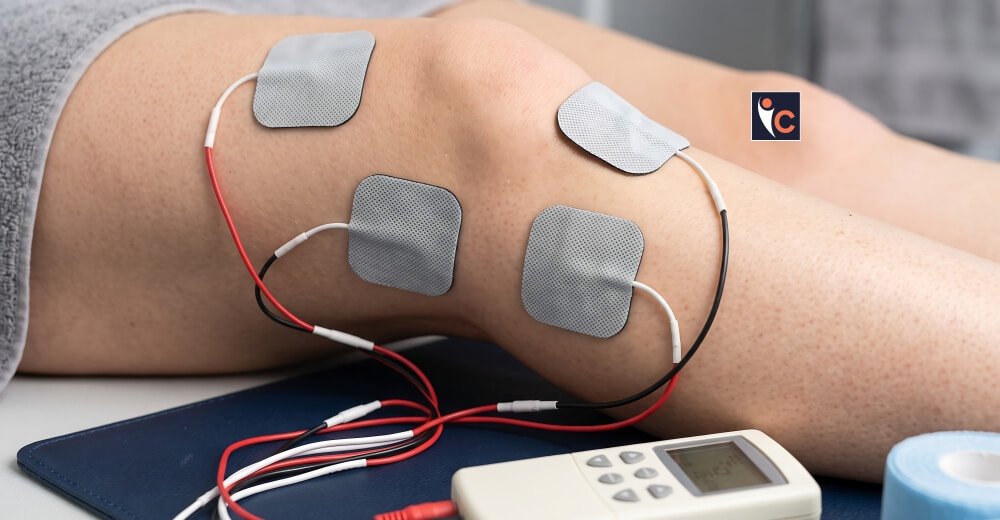
Physiotherapy, targeted exercise programmes, activity modification, and carefully chosen pain relief strategies all play a role in orthopedic pain management that is genuinely focused on restoring function rather than simply reducing the number a patient reports when asked to rate their pain. The distinction matters: a patient who reports lower pain but remains unable to do the things their life requires has not been well served by management that stopped at symptom reduction.
Rehabilitation as a Core Component
Restoring quality of life in orthopedic conditions requires more than controlling pain; it requires rebuilding the strength, flexibility, and movement patterns that pain and reduced activity have often allowed to deteriorate. This is where rehabilitation sits at the centre of good orthopedic pain management rather than at its periphery.
A patient who has been managing significant joint pain for months will typically have developed compensatory movement patterns, reduced muscle strength around the affected area, and a degree of fear around movement that is entirely understandable but that works against recovery if left unaddressed. Rehabilitation that accounts for all of these dimensions, not just the physical but the psychological relationship with movement, tends to produce more complete and more durable improvement.
When Surgical Intervention Becomes the Right Choice
For some patients and some conditions, non-surgical management reaches its limits and surgery becomes the most appropriate path forward. The decision to move toward surgical intervention within an orthopedic pain management journey is one that should be made with full information and a clear understanding of what the surgery involves, what recovery requires, and what realistic outcomes look like for that specific patient.
Good surgical outcomes in orthopedics depend heavily on the quality of preparation before the operation and the rehabilitation that follows it. Patients who arrive at surgery in the best possible physical condition and who engage seriously with post-operative rehabilitation consistently recover more fully than those who treat surgery as a passive event that will resolve things on its own.
Recovery Works Best as a Partnership
Orthopedic pain management works best as a partnership. Clinicians bring the diagnostic understanding, the treatment options, and the clinical expertise, but patients bring something equally important: their engagement, their consistency with prescribed approaches, and their willingness to be active participants in their own recovery rather than passive recipients of treatment.
Understanding their condition, asking questions about what is being recommended and why, and following through with the lifestyle and rehabilitation components of their management plan all significantly influence how well patients do over time. The most sophisticated management plan in the world underperforms when the patient at its centre is not genuinely involved in making it work.
Looking Ahead
Orthopedic pain management has advanced considerably, and the options available to patients today are broader and more effective than those of previous generations. For most people living with orthopedic pain, meaningful improvement in both pain levels and function is a realistic goal, not a distant hope.
Getting there requires the right assessment, the right treatment approach matched to the individual’s specific situation, and the kind of sustained commitment from both clinician and patient that genuine recovery demands. When those elements come together, the quality of life outcomes that good orthopedic care can deliver are genuinely significant.