Skilled Surgical Care
The musculoskeletal system is what keeps people moving. Bones, joints, muscles, tendons, and ligaments work together in ways most people never think about until something goes wrong. When injury, disease, or the gradual effects of time disrupt that system, the impact on daily life can be significant, affecting the ability to work, to move comfortably and to do the ordinary things that define a normal day. This is where the expertise of an orthopedic surgeon becomes genuinely important, bringing the clinical knowledge and surgical skill needed to restore function and reduce pain in ways that other forms of treatment cannot always achieve.
Comprehensive Care for the Musculoskeletal System
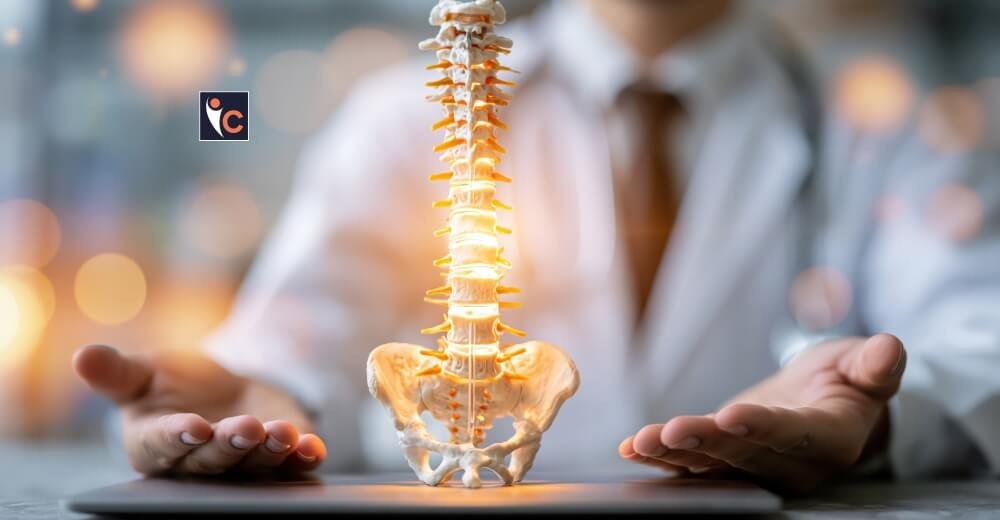
The scope of orthopedic surgery is broader than many patients realise before they encounter it. An orthopedic surgeon works across the entire musculoskeletal system, treating conditions affecting the spine, hips, knees, shoulders, hands, feet and everything in between. The conditions they manage range from acute injuries that require prompt surgical attention to chronic degenerative conditions that have developed gradually over years.
This breadth means that orthopedic surgeons often develop areas of particular specialisation within the field, focusing their training and practice on specific regions of the body or specific types of condition. That depth of focused expertise is what allows complex and delicate surgical work to be performed with the precision and consistency that good outcomes demand.
Balancing Surgical and Non-Surgical Care
One of the most important things a skilled orthopedic surgeon brings to the clinical relationship is honesty about when surgery is and is not the right answer. Surgery carries real demands on the body, on recovery time, and on the patient’s life during the period following an operation. These demands are worth accepting when surgery is likely to produce meaningful improvement that other approaches cannot provide. They are not worth accepting when non-surgical management still has more to offer.
Good surgical judgement involves knowing the difference. Patients who consult an orthopedic surgeon should expect an honest assessment of all available options, including the realistic outcomes associated with each, before any decision about surgical intervention is made.
Restoring Movement Through Joint Replacement
Among the most significant contributions of modern orthopedic surgery is the development and refinement of joint replacement procedures. For patients whose joint pain and loss of function have reached a point where quality of life is seriously affected, and other management approaches have been exhausted, joint replacement offered by a skilled orthopedic surgeon can produce outcomes that genuinely transform daily life.
The implants used in these procedures have improved substantially, and the surgical techniques for placing them have been refined through decades of clinical experience and ongoing research. The result is a procedure that, for appropriately selected patients, delivers durable improvement in pain and function that holds up well over time.
The Critical Role of Post-Surgical Rehabilitation
Surgery performed by an orthopedic surgeon is one part of a recovery journey, not the whole of it. What happens in the weeks and months following an operation significantly determines how complete and how lasting the benefit of surgical intervention turns out to be.
Rehabilitation guided by physiotherapists working in close communication with the surgical team rebuilds the strength, flexibility, and movement patterns that the condition and the surgery itself have affected. Patients who engage seriously and consistently with their rehabilitation programme tend to achieve better functional outcomes than those who treat the operation as the conclusion of the process.
Delivering Personalised Orthopedic Care
Behind every surgical procedure is a patient with a life that the condition has been affecting in real and personal ways. The best orthopedic surgeon understands this, approaching each patient not just as a clinical problem to be solved but as a person whose circumstances, concerns, and goals need to be understood and factored into the care they receive.
Clear communication about what a procedure involves, what recovery will realistically look like, and what outcomes can reasonably be expected is part of what good surgical care provides. Patients who understand their own treatment journey are better equipped to participate in it actively and to manage the demands that recovery places on them.
The Road Ahead
Orthopedic surgery continues to develop in the precision of its techniques, the quality of its implants, and the depth of evidence supporting its clinical decisions. The orthopedic surgeon working today is part of a specialty that takes its obligation to improve seriously, investing in research and in the kind of ongoing learning that keeps clinical practice genuinely current.
For patients living with musculoskeletal conditions that have been limiting their lives, that ongoing commitment to improvement means that the care available to them is the best it has ever been and that the potential for meaningful recovery is more realistic than at any previous point in the history of the specialty.