Neuroscience Service Impact
The human brain is the most complex organ in the body, shaping our thoughts, emotions, memories, and ultimately, our sense of self. It governs everything: movement, memory, emotion, communication, and every function that makes daily life possible. When something goes wrong in the brain or nervous system, the impact reaches into every corner of a person’s existence. This is precisely why clinical neuroscience services carry such weight in modern medicine and why the quality and availability of these services matter so deeply to so many people.
The Breadth of Modern Neuroscience Services
The nervous system covers a lot of ground. It takes in the brain, the spinal cord, and a wide web of nerves that run through every part of the body. When something goes wrong anywhere along this network, the effects can look very different from one person to the next, such as persistent headaches, trouble with memory, difficulty moving, seizures, or shifts in personality and behaviour.
Clinical neuroscience services pull together the right specialists, diagnostic tools, and treatment options to deal with this whole range. Rather than focusing on one narrow piece of neurological care, these services are set up to look at the full picture. The thinking behind them is that different parts of the nervous system do not work in isolation; a problem in one area can produce effects that show up somewhere else entirely. That reach across the whole system is a big part of what makes these services so important to proper patient care.
Changing Outcomes Through Early Intervention
One of the most significant contributions clinical neuroscience services make to patient outcomes is through early identification of neurological conditions. Many conditions affecting the brain and nervous system develop gradually over time, and the window in which treatment works best can be surprisingly narrow. Identifying a problem early, before it has caused extensive and lasting damage, changes what medicine can realistically achieve.
For patients and their families, this is not an abstract point. The difference between an early diagnosis and a late one can mean years of maintained independence, preserved relationships, and a quality of life that would otherwise have slipped away. Getting to the right services quickly is often the single most important factor in shaping what comes next.
Foundation of Successful Neurological Treatment
There is a common assumption that reaching a diagnosis is the end of the process. In neurological care, it is closer to the beginning. Understanding what is actually happening in the nervous system and the reasons behind it is the foundation on which every treatment decision gets built.
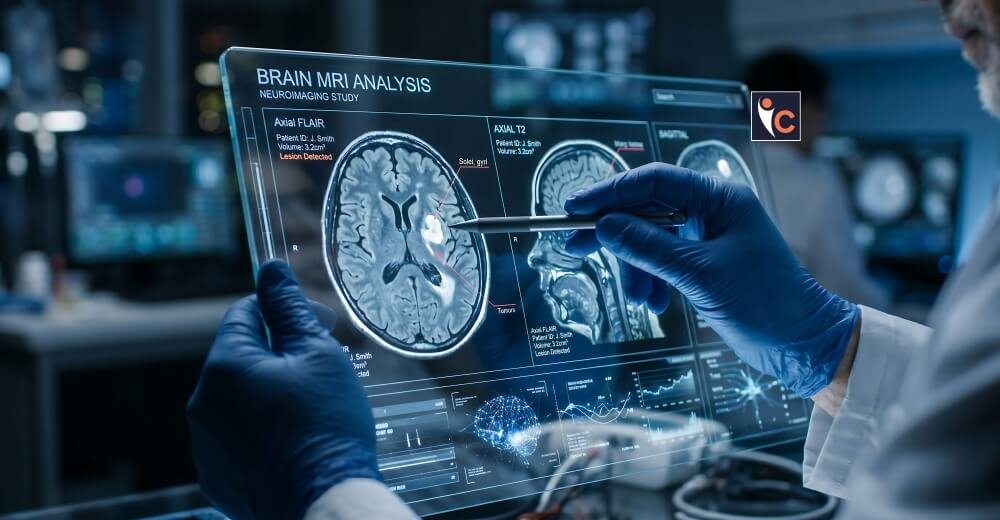
Clinical neuroscience services invest seriously in diagnostic precision for exactly this reason. Advanced imaging, thorough neurological assessments, and careful review of a patient’s full history all feed into building a picture accurate enough to act on with real confidence. A correct diagnosis reached early spares patients from unnecessary treatment, reduces the emotional burden of uncertainty, and gives the care team a clear direction to move in.
Delivering Integrated Neurological Care
Treating neurological conditions well requires an approach that reflects just how complex the nervous system actually is. There is rarely one clean answer. Treatment plans in this space tend to involve multiple disciplines working closely together, neurology, neurosurgery, rehabilitation, psychology, and others; each brings something distinct to the table.
Clinical neuroscience services are built to support exactly that kind of joined-up care. When specialists share information, align on goals, and make decisions together rather than in isolation, patients receive a quality of coordination that no single practitioner could deliver alone. The result is treatment that addresses not just the primary condition but the wider ways it affects how someone lives day to day.
The Value of Research-Driven Treatment
One of the real strengths of well-developed clinical neuroscience services is the relationship between research and everyday patient care. Neuroscience is a field where discoveries keep coming, and the distance between what researchers are learning and what clinicians are applying has closed considerably in recent years.
Patients seen within services that are actively connected to research benefit from a clinical team engaged with the latest thinking in the field. That connection does not just help individual patients; it pushes the whole field forward in ways that eventually reach everyone.
Looking Ahead
The burden of neurological conditions across the population is real, significant, and increasing. As people live longer, conditions affecting the brain and nervous system become more prevalent. The demand for high-quality clinical neuroscience services will only grow, and the health systems that have invested properly in building these capabilities will be far better placed to meet that demand with something worthwhile.
Investing in neuroscience care is not only a medical priority, but it is a social one. Helping people remain functional, independent, and connected to their lives has consequences that extend well beyond the individual. Strong clinical services serve whole communities, and the case for taking them seriously has never been more pressing.