Prime Highlights:
- India could be at the highest long-term risk for chikungunya, with over 5 million people at risk annually due to local conditions rather than climate.
- The study highlights that factors like mosquito density, housing quality, and community response are critical in determining the severity of chikungunya outbreaks.
Key Facts:
- India and Brazil contribute nearly half of the global health burden of chikungunya, with up to 34.9 million potential global infections predicted each year.
- There is no specific treatment for chikungunya, but vaccines such as Ixchiq and BBV87 (in Phase III trials) offer hope for prevention.
Background
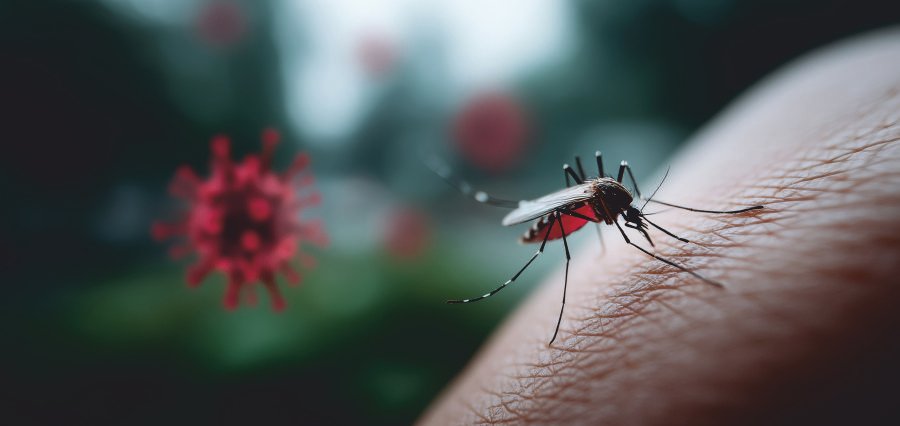
India could face the highest long-term risk of chikungunya in the world, with over 5 million people at risk of infection each year, according to new research. A recent study shows that local conditions, such as housing quality, mosquito density, and how communities respond, are far more important than climate in determining the severity of outbreaks. The study, published in Science Advances, analysed 86 past outbreaks, including the 2006 epidemic in Port Blair. Researchers found that while climate factors such as temperature and rainfall indicate where chikungunya could occur, they do not accurately predict how severe an outbreak will be. “Local conditions matter, including mosquito numbers, housing, and community response. Some variation is also due to chance,” said Alex Perkins, co-author and professor at the University of Notre Dame. Chikungunya is a mosquito-borne viral infection transmitted by Aedes aegypti and Aedes albopictus. It causes severe joint pain and high fever, and about half of the patients have long-lasting pain and difficulty moving, especially adults aged 40 to 60. The high population of India, the prevalence of mosquitoes, and urban environments make India especially susceptible. Together with Brazil, the two nations contribute almost half of the health burden of chikungunya in the world. Machine learning models predict that globally, up to 34.9 million people could be infected each year if the virus spreads to new regions. Currently, there is no specific treatment for chikungunya. Care is limited to rest, hydration, and pain relief. Two vaccines, Ixchiq and Vimkunya, have been approved in countries including the US and Europe, while India’s vaccine candidate, BBV87 by Bharat Biotech, is undergoing Phase III trials. Researchers say the findings can help authorities predict outbreaks earlier, plan vaccine trials,
and strengthen mosquito control measures. Taking quick action, spreading awareness, and involving the community are important to lowering the long-term health and economic impact caused by chikungunya in India.