How preventive healthcare is reshaping the role of clinical nutrition in a digital-first era
India’s healthcare ecosystem is undergoing a gradual but meaningful transformation toward preventive health. For decades, healthcare delivery models largely focused on treatment after symptoms appeared, leaving limited space for structured lifestyle education. However, increasing awareness of metabolic health, digital accessibility, and evolving patient expectations have collectively reshaped how individuals engage with wellness. Doctor-led nutrition and lifestyle platforms are emerging as an important bridge between clinical understanding and everyday decision-making.
Historically, nutrition advice was often separated from mainstream medical systems. Many individuals followed generic diet charts or short-term programs that emphasized rapid results rather than sustainable outcomes. While these approaches offered simplicity, they rarely addressed the complex interplay between physiology, behavioral patterns, emotional health, and environmental influences. Preventive healthcare introduces a more holistic perspective — one that encourages gradual habit formation supported by professional guidance
Digital health has accelerated this shift by enabling continuous engagement beyond traditional clinic visits. Remote consultations, structured education modules, and interactive platforms allow healthcare professionals to support individuals in real time. From a CXO standpoint, this transformation represents more than technological innovation; it reflects a broader evolution toward patient-centric healthcare design. Organizations increasingly recognize that sustainable growth depends on building trust through transparency, empathy, and evidence-informed communication.
Another defining aspect of modern preventive healthcare is personalization. Individuals no longer expect one-size-fits-all solutions. They seek guidance that acknowledges their lifestyle, cultural background, work environment, and emotional context. Doctor-led personalization emphasizes adaptability rather than rigidity, allowing health strategies to evolve alongside changing routines. This shift also aligns with ethical healthcare practices by respecting individual diversity.
From a leadership perspective, preventive health frameworks encourage collaboration across disciplines. Clinicians, nutrition professionals, technologists, and behavioral specialists increasingly work together to create integrated ecosystems. Such collaboration enhances both clinical outcomes and user engagement, fostering long-term relationships rather than episodic interactions. As digital wellness continues to expand, maintaining ethical standards remains central to responsible growth.
Looking ahead, the future of preventive healthcare in India may depend on balancing innovation with clinical integrity. Technology can enhance accessibility, but meaningful change often stems from human connection and consistent support. Doctor-led models have the potential to redefine how individuals perceive health — not as a destination achieved through strict dieting, but as an evolving journey shaped by sustainable lifestyle decisions.
About the Author:
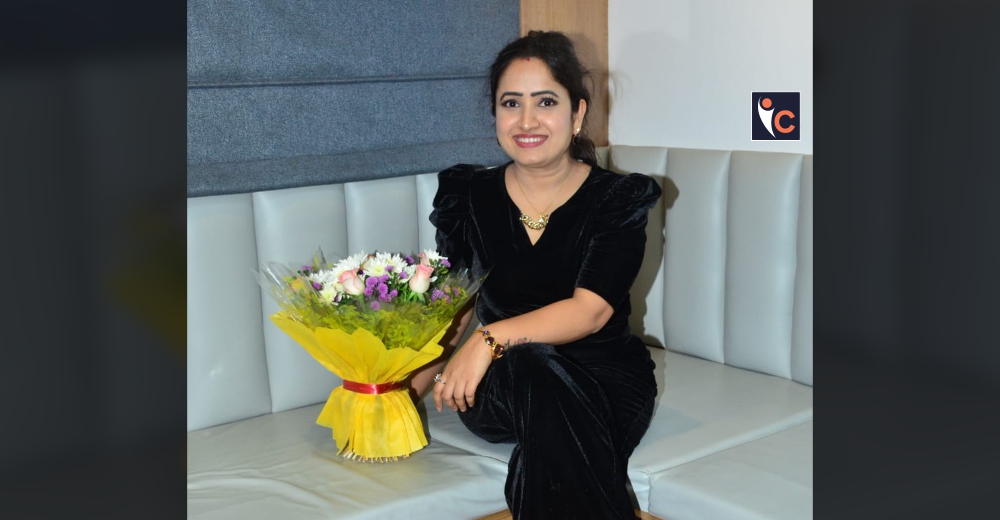
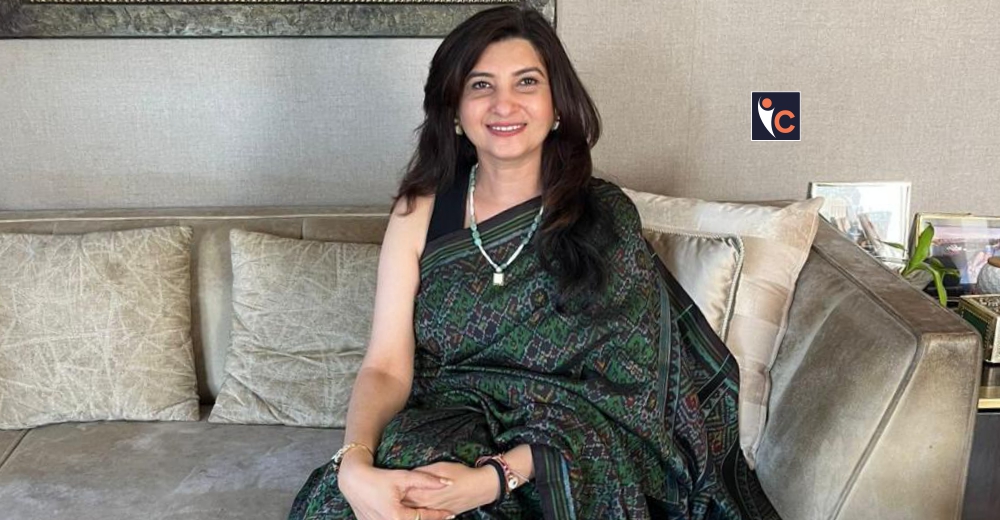
Dr. Niru Mathur is the Founder of Eat Well Thrive Better, a doctor-led nutrition and lifestyle practice based in India. With a medical background and formal training in nutrition and lifestyle coaching, her work focuses on preventive healthcare, metabolic wellness, maternal health, and pediatric nutrition through evidence-informed, non-prescriptive approaches. She advocates sustainable habit formation, ethical digital health practices, and the integration of clinical insight into everyday lifestyle decisions. Dr. Mathur has been recognized for her contribution to online preventive healthcare and continues to support patient-centric models within the evolving digital health ecosystem.