Prime Highlights
- Ophthalmologists in Bengaluru are seeing a sharp rise in myopia and dry eye syndrome among children, primarily due to excessive screen time and reduced outdoor activity post-pandemic.
- Experts stress the importance of early diagnosis, lifestyle changes, and modern treatments like low-dose atropine drops and lenslet glasses to manage worsening eye conditions.
Key Facts
- Narayana Nethralaya now sees 30–90 cases of myopia and dry eye in children monthly, compared to just 2–3 cases before the pandemic.
- A study revealed that children spending over two hours outdoors daily had higher dopamine levels, significantly reducing the risk of developing myopia.
Background
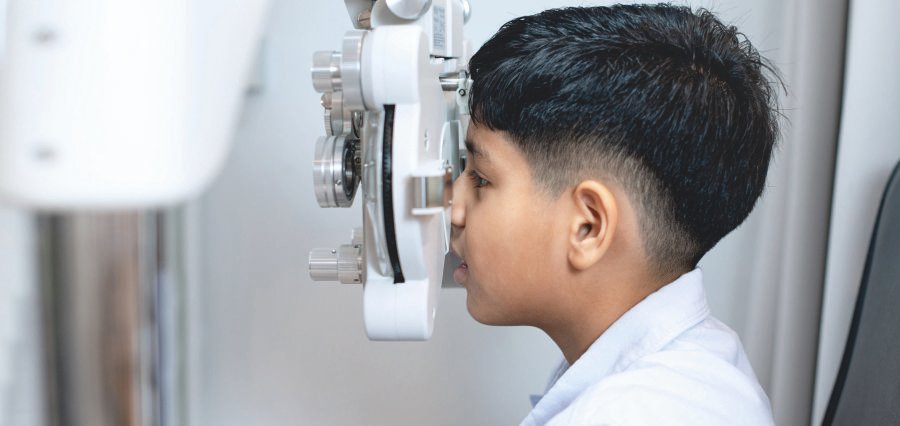
Ophthalmologists in Bengaluru warn that more children are developing myopia (nearsightedness) and dry eye syndrome due to increased screen time on tablets, computers, and mobile phones. According to eye experts, the conditions have been on a spike since the COVID-19 pandemic, which made children spend hours in online studies and entertainment.
Narayana Nethralaya reports 30-90 cases of myopia and dry eye in children each month, a sharp increase from pre-pandemic numbers of 2-3 cases monthly. Dr Naren Shetty, head of cataract and refractive lens services, noted that immediately after the pandemic, hospitals recorded five to eight cases weekly. “For most children, the first sign is difficulty seeing the classroom board clearly,” he said.
Dr Vidhya C, consultant at Sankara Eye Hospital, highlighted that children now spend less time outdoors, and increased parental awareness has led to earlier diagnosis of myopia. Nutritional deficiency, lack of sunlight and Vitamin D deficiency, and extensive reading also increase the prevalence of these eye complications. Research carried out by Narayana Nethralaya found that those children with over two hours of outdoor activities in the day had more dopamine in their system and were unlikely to develop myopia.
Modern treatments now help slow myopia progression. Dr Sri Ganesh, MD of Nethradhama Hospitals, said, “Low-dose atropine drops and lenslet glasses help prevent worsening of myopia, unlike earlier methods that only prescribed glasses.” Doctors also report increasing cases of juvenile cataracts and squints, which can be corrected early for better outcomes.
Experts recommend limiting screen time, practicing conscious blinking, following the 20-20-20 rule, ensuring proper nutrition, spending at least 30 minutes in sunlight daily, and regular eye checkups to maintain children’s eye health.