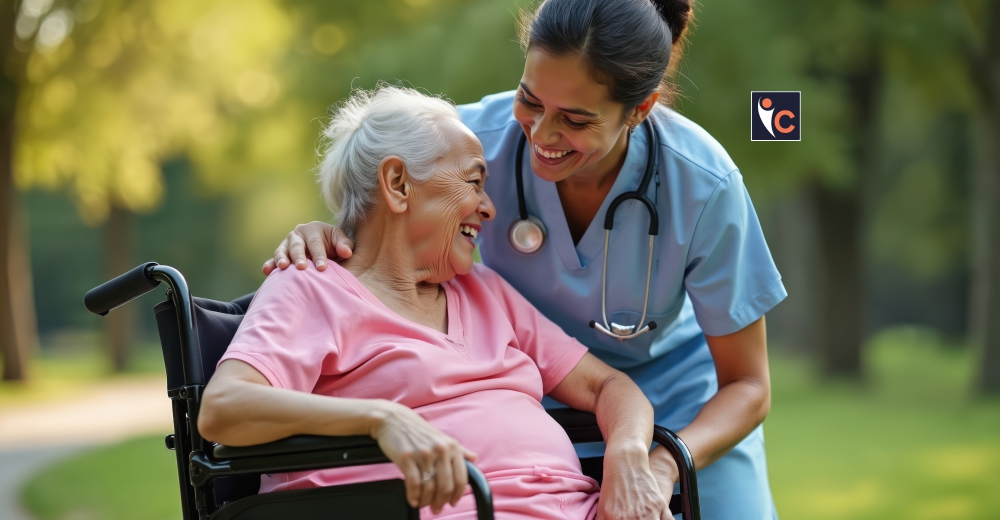
Emotional Support
As the world’s population grows older, one of the most overlooked challenges isn’t physical decline; it’s emotional isolation. Thousands of elderly citizens of the country are spending their days in silence across the cities, towns, and villages. Isolated and without social interaction, most of them face loneliness, depression and anxiety behind closed doors. Community-based mental health programs are rewriting that story.
This article looks at how community programs are helping seniors fight loneliness and improve mental health through social activities, counseling, and support networks that bring connection and hope.
Understanding the Hidden Epidemic
Loneliness among seniors has become more than an emotional struggle; it’s a public health crisis. Studies indicate that being in a state of isolation over a long period of time can be as detrimental as smoking or even obesity. There is a high risk of depression, anxiety, and cognitive deterioration in older adults with no frequent social interactions.
The emotional impact is profound. The elderly who live alone or are isolated by the absence of loved ones tend to complain that they feel empty, hopeless and invisible. To most people, being neglected is painful just as much as any other illness.
Isolation strikes hardest among those living in old-age homes, rural communities, or with chronic illnesses that limit mobility. Without regular interaction, their worlds quietly shrink, taking their mental well-being with them.
The Barriers to Getting Help
Despite the increasing awareness of mental health, a significant number of senior citizens continue to find it hard to receive the care they require. Stigma, cost, and low awareness often stop seniors from seeking help.
- Stigma and Attitudes: There are so many seniors who were brought up in the times when mental illness was considered a sign of weakness. The thinking disheartens them from identifying symptoms or even seeking assistance.
- Cash Straits: The therapy, medication and transportation charges are usually out of pocket because seniors are either not able to cover them. The lack of insurance coverage is another source of barrier, and many people lack affordable coverage.
- Geographic and Logistical Hurdles: In rural parts, elderly people often reside long distances from the qualified professionals. In urban areas, older adults find it hard to get to appointments because of the difficulties with mobility and the lack of convenient means of transportation.
- Insensitivity: Many seniors are unaware of the fact that help is available. They do not have the time to learn about mental-health screening, local support groups, and wellness plans, which are age-specific.
These challenges trap many in a cycle of neglect, where emotional pain goes unnoticed, untreated, and wrongly accepted as a normal part of aging.
The Power of Community-Based Support
Community programs now bridge these gaps, reaching seniors with care and support where formal systems can’t.
-
Social Interaction and Interactions
Safe spaces can be provided to seniors through programs that organize art classes, book clubs, yoga, or volunteering projects. Such meetings assist in mending friendships, building confidence, and providing emotional solace that, in many cases, cannot be availed in the conventional health settings.
-
Mental Health Screening and Early Intervention
Many organization conducts community-based screenings to identify seniors vulnerable to depression or anxiety. The trained personnel direct them to professional assistance at an early age when the symptoms are not severe.
-
Training Frontline Workers
This is a form of training that local health workers in underserved regions are now given to identify emotional distress, provide basic counseling, and refer individuals to additional care. In this way, mental-health support is brought nearer to the home, particularly to the rural seniors.
-
Peer Support Networks
Mentioning the befriending programs, which are founded by volunteers, the seniors are assigned companions who visit, talk online, or call regularly. These regular meetings decrease the feeling of loneliness and provide isolated elderly people with a new meaning in their lives.
-
Counseling and Therapeutic Services
One can find the data about the affordable group therapy, stress-management workshops, and counseling sessions that may be offered at the community centers and online, and be specific to the emotional needs of a geriatric population.
Evidence of Hope and Healing
The impact of these efforts has been profound. Seniors who take part in social or creative activities report greater happiness, emotional stability, and life satisfaction. Participating in organized groups gives them meaning to their days and makes them feel that they belong.
The elderly who are not able to attend face-to-face programs also benefit in the form of simple, meaningful activities like gardening, journaling, mentoring the youth on the internet, or working on a local project. Such daily activities prevent depression and create emotional strength.
Conclusion
As populations age, the need for mental health support among seniors continues to grow. Community-based programs have become essential, not optional. They bridge the space between isolation and inclusion, between despair and hope. Every single act of communication, a meal at the same table, a phone call, a friendly visit, can make someone happier. Medicine is often not the first step in the healing process, but compassion and the audacity to care.
By making societies invest in mental health programs, societies can make sure that none of the elderly can feel unseen or unheard in their old age. In helping older adults rediscover connection and meaning, we build communities grounded in empathy, resilience, and shared humanity.
Read Also :Exploring Telemedicine Innovations for Remote Senior Health Monitoring and Care