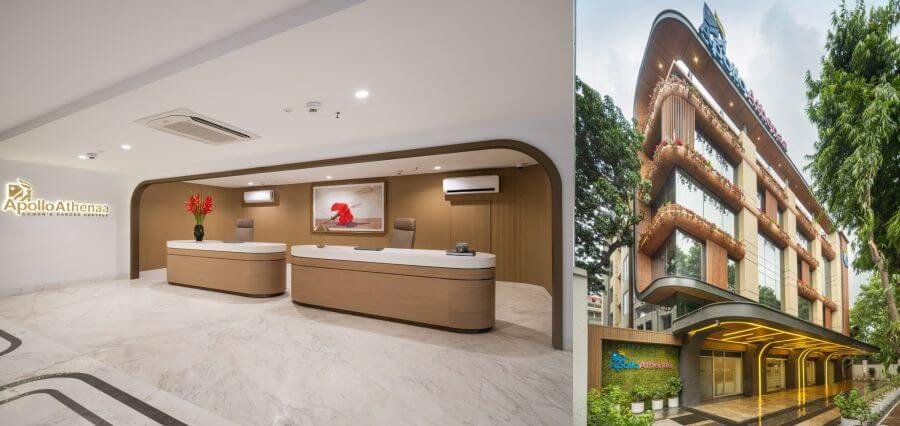
New Delhi, August 7, 2026: Apollo Athenaa, Asia’s first dedicated cancer center for women by Apollo Hospitals, has announced the launch of India’s first comprehensive Lymphedema Clinic accredited by the Lymphatic Education & Research Network (LE&RN), an international nonprofit organization focused on advancing education, research, and advocacy for lymphatic diseases.
The new clinic brings together specialized surgeons, lymphedema therapists, nurses, dermatologists, and rehabilitation professionals within a coordinated program designed to address cancer-related lymphedema across the continuum of care, from risk assessment and prevention to early diagnosis, treatment, rehabilitation, and long-term follow-up.
The initiative represents a shift toward a more proactive approach to lymphatic health, particularly for women undergoing breast and gynecological cancer treatment who may face an increased risk of developing lymphedema following lymph-node surgery or radiation therapy.
Integrating Prevention, Treatment, and Rehabilitation
The Apollo Athenaa Lymphedema Clinic combines multidisciplinary clinical expertise with advanced imaging, microsurgical capabilities, specialized rehabilitation, and internationally benchmarked clinical protocols.
Services available through the program include dedicated lymphedema assessment, manual lymphatic drainage, complete decongestive therapy, compression therapy, stage-specific rehabilitation, and surgical interventions for appropriately selected patients. These include lymphovenous bypass (LVB), vascularized lymph node transfer and liposuction for selected advanced cases.
The clinic also uses ultra-high-frequency ultrasound technology to help identify small lymphatic vessels and veins during lymphatic procedures, supporting surgical planning and precision in appropriately selected cases.
Addressing an Under-recognized Consequence of Cancer Treatment
Lymphedema is a chronic condition caused by impaired lymphatic drainage and can occur following cancer treatment, among other causes. In cancer survivors, the condition can result in persistent swelling, recurrent infections, discomfort, restricted movement and an impact on daily activities and quality of life.
India is estimated to have more than one million people living with lymphedema, including an estimated 400,000–600,000 people with cancer-related lymphedema. An estimated 30,000–50,000 new cancer-related cases may develop each year.
Women undergoing treatment for breast and gynaecological cancers are among those at increased risk. Published estimates indicate that arm lymphedema can develop in approximately 20%–42% of women following breast cancer surgery, while lower-limb lymphedema has been reported in approximately 31%–37% of gynaecological cancer survivors. The risk varies depending on the type of cancer, treatment and individual patient factors.
As cancer survival improves, the need for long-term survivorship services that address treatment-related complications is also gaining importance.
Dr. Preetha Reddy, Executive Vice Chairperson, Apollo Hospitals Group, said:
“At Apollo, we have always believed that advancing healthcare means continually raising standards across every stage of the patient journey. As cancer outcomes improve, our responsibility also extends to helping patients live healthier and fuller lives after treatment. Apollo Athenaa was established with a vision of delivering comprehensive, women-centric cancer care, and the launch of an LE&RN-accredited Lymphedema Clinic is an important extension of that commitment. By bringing specialised expertise, advanced technology and internationally recognised standards together within a multidisciplinary programme, we are addressing an important aspect of cancer survivorship that has historically received limited attention.”
Moving Toward Preventive Lymphatic Surgery
A key component of the programme is its focus on prevention for carefully selected patients who face a high risk of developing lymphedema.
Dr. Venkat Ramakrishnan, Consultant Plastic & Breast Reconstruction Surgeon, Apollo Athenaa, said:
“Lymphedema surgery has traditionally been considered primarily after the condition becomes clinically evident, when changes in the affected tissues may already have occurred. At Apollo Athenaa, we are also exploring a preventive approach for eligible high-risk patients through Prophylactic Lymphovenous Bypass. When appropriate, this supermicrosurgical procedure can be performed during cancer surgery to help preserve or restore lymphatic drainage. The objective is to reduce the likelihood of subsequent arm lymphedema rather than waiting for symptoms to develop. Patient selection and careful multidisciplinary assessment remain central to this approach.”
Prophylactic LVB is considered for appropriately selected patients undergoing procedures such as axillary lymph-node dissection. The suitability of the technique depends on individual clinical circumstances, including the extent of lymph-node surgery and the patient’s overall treatment plan.
A Multidisciplinary Model for Long-Term Care
The clinic’s model integrates surgical intervention with rehabilitation and ongoing monitoring, recognising that effective lymphedema management may require care across multiple stages of a patient’s cancer journey.
Dr. Samarth Gupta, Senior Consultant Plastic & Breast Reconstruction Surgeon, Apollo Athenaa, said:
“Lymphedema management requires more than a single intervention. Timely assessment, specialised rehabilitation, appropriate surgical options and long-term follow-up need to work together as part of a coordinated programme. At Apollo Athenaa, we have brought these capabilities together so that patients can access assessment, physiotherapy, advanced imaging, microsurgical treatment and survivorship support through an integrated care pathway. Our aim is to provide personalised care that supports function, mobility and quality of life while helping patients navigate the long-term consequences of cancer treatment.”
With the launch of the LE&RN-accredited clinic, Apollo Athenaa is expanding its women-focused oncology and survivorship services to include dedicated lymphatic care. The programme is designed to support women living with or at risk of cancer-related lymphedema through prevention, early identification, treatment, rehabilitation and continuing follow-up.
The initiative reflects a broader shift in cancer care from treatment of disease alone toward comprehensive survivorship, with greater emphasis on functional recovery, quality of life and long-term well-being.
About Apollo Athenaa
Apollo Athenaa, a unit of Apollo Hospitals Enterprise Ltd., is Asia’s first dedicated cancer centre for women. The centre provides women-focused cancer care across prevention, screening, diagnosis, treatment and survivorship.
Its services include advanced diagnostics, surgical oncology, breast oncoplasty, fertility preservation, reconstructive care, precision oncology, nutrition, physiotherapy, onco-psychology and palliative care. The centre brings together multidisciplinary clinical teams with the aim of providing coordinated care while placing patient dignity, privacy and well-being at the centre of the treatment journey.
Website: Apollo Athenaa – Apollo Hospitals