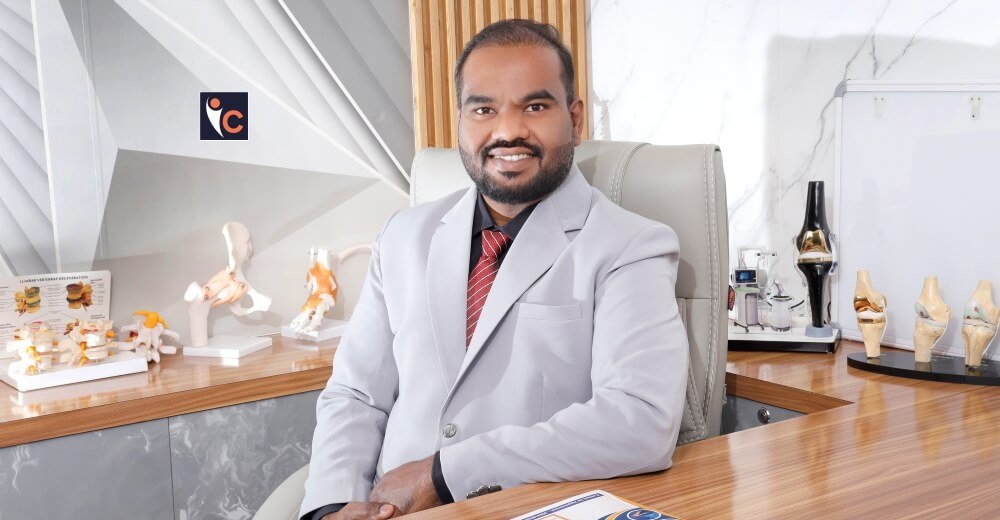
Orthopaedic care is evolving rapidly, with better surgical methods, improved rehabilitation, and a stronger focus on patient needs. Today, it is not just about treating injuries but also about helping people regain movement, improve function, and live better lives. Modern orthopaedic surgeons do more than perform surgeries. They handle complex conditions, use minimally invasive techniques, work closely with other specialists, and keep up with the latest developments in joint care, trauma treatment, and sports injuries.
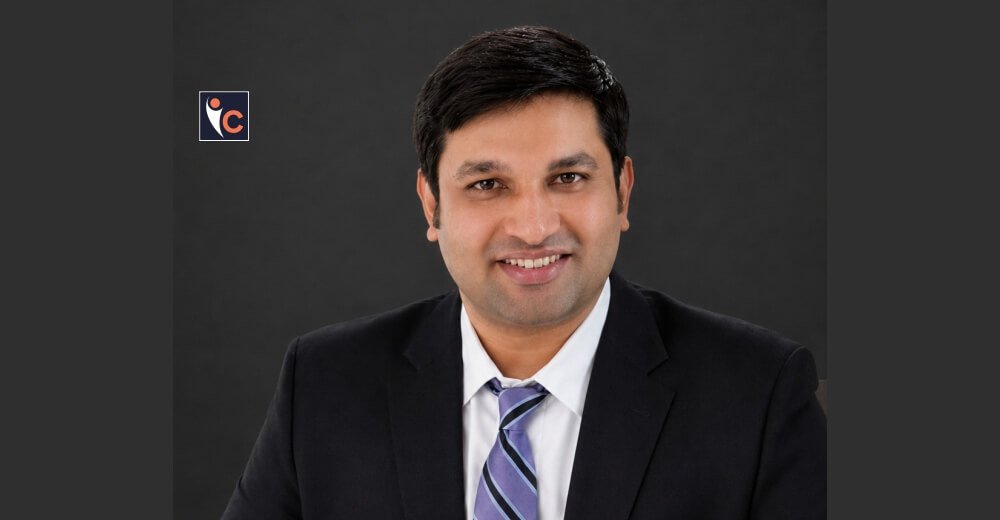
Dr. Ashutosh Jadhav stands as a strong example of this progressive approach. As an accomplished Orthopaedic Surgeon & Founder of Ayush Orthopaedic Clinic in Pune, he brings extensive experience in diagnosing and treating a wide range of bone and joint conditions. His expertise includes joint replacement surgeries such as knee and hip replacements, including revision and minimally invasive techniques.
In addition, he offers comprehensive spine care and performs various soft-tissue and sports-injury procedures, ensuring a well-rounded approach to orthopaedic health. His practice focuses on combining advanced techniques with personalized care to ensure effective recovery and long-term patient well-being.
Let’s take a closer look at his journey, his approach to orthopaedic care, and his vision for the future of musculoskeletal health.
Early Inspiration and Career Journey
Dr. Ashutosh’s journey into orthopaedics began during his MBBS internship. As part of the one-year internship program, he rotated through various departments such as medicine, orthopaedics, and general surgery. This phase allowed him to gain a deeper understanding of how different medical fields function and helped him evaluate which path aligned with his interests and strengths.
It was during his one-month internship in the Department of Orthopaedics that he developed a strong interest in the field. Observing how orthopaedic surgeons worked and understanding the nature of procedures inspired him to pursue this specialty. He was particularly drawn to the surgical aspect of orthopaedics and the tangible outcomes it offered. He explains, “Once you heal a bone, you just won’t heal a bone; you just create a person to do what he was doing prior to a fracture.”
He describes orthopaedic treatment as transformative. Healing a bone is not just about addressing a fracture or deformity; it is about restoring a person’s ability to return to their normal life. For instance, a patient with a femur fracture may initially be unable to move, but after surgery, they regain the ability to stand and walk. Witnessing such visible improvements had a profound impact on him and reinforced his decision to specialize in orthopaedics.
Over time, his interest evolved further toward joint replacement procedures. He began with conventional techniques and gradually moved toward advanced methods such as robotic-assisted surgeries. With nearly 13 years of experience in robotics, he continues to focus on enhancing patient care and expanding the capabilities of his practice.
Establishing Patient-Centric Clinical Protocols
At Ayush Orthopaedic Clinic, Dr. Ashutosh emphasises that “Patient care is guided by structured protocols designed to ensure efficiency and comfort.” Every patient undergoes an initial assessment, which includes a general examination and evaluation of their condition. This helps in identifying the severity of the issue and determining the appropriate course of action.
Patients are prioritized based on their condition. Those experiencing severe pain or fractures are immediately attended to and, if necessary, taken directly to casualty. Pain management is a primary focus, as he believes, “Patients should not continue to suffer once they enter the clinic.”
Orthopaedic care, according to him, revolves around relieving pain. From administering painkillers to stabilizing vital parameters, every effort is made to ensure patient comfort. This requires coordination among the entire team, including support staff, nurses, and reception personnel.
Training plays a crucial role in maintaining these standards. Dr. Ashutosh continuously works with his team, guiding them on patient handling, prioritization, and clinical procedures. He emphasises that effective patient care is not the responsibility of a single doctor but a collective effort that involves the entire team.
The Importance of Teamwork in Orthopaedics
Dr. Ashutosh strongly believes, “Teamwork is essential in orthopaedic practice.” A single doctor cannot manage every aspect of patient care, especially in a field that involves complex procedures and post-operative management.
From consultation to surgery and recovery, multiple professionals contribute to the treatment process. In outpatient settings, different protocols are followed based on patient needs. Patients who can walk are managed differently from those requiring urgent attention. Emergency cases are always prioritized to ensure timely intervention.
The clinic operates on a fundamental principle: “Once a patient enters, they should not leave in pain.” Achieving this requires seamless coordination among team members and a shared commitment to patient well-being.
Leadership in Surgical and Clinical Settings
In surgical scenarios, Dr. Ashutosh adopts a structured and collaborative leadership approach. Once a patient is advised for procedures such as knee replacement and agrees to proceed, a detailed plan is initiated.
The process involves multiple stages, including blood investigations, physician assessments, and anesthesia clearance. A multidisciplinary team works together to ensure that the patient is fully prepared for surgery.
During robotic-assisted procedures, precision and coordination are critical. Ensuring that the robotic system is functioning properly and is accurately set up is an important part of the process. While the surgery itself may take around 40 minutes, preparation and post-operative care require continuous monitoring and coordination.
Pain management remains a key focus even after surgery. Techniques such as spinal anesthesia combined with additional pain control methods help ensure patient comfort. Continuous monitoring allows for timely adjustments in medication and care.
Post-operative recovery includes physiotherapy, which is tailored to the patient’s condition. Advanced tools like CPM machines are used to assist in improving mobility, particularly in cases where patients face difficulty in movement.
Overcoming Challenges Through Continuous Learning
Throughout his career, Dr. Ashutosh has encountered challenges related to patient management, team coordination, and operational efficiency. Addressing these challenges requires consistent communication and a willingness to adapt.
He regularly interacts with his staff to understand their concerns and identify areas for improvement. This collaborative approach helps in resolving issues and ensuring smoother functioning of the clinic.
Time management is another important aspect. Different patients require varying levels of attention, and balancing these demands is essential. Continuous evaluation and refinement of processes help maintain efficiency while ensuring high-quality care.
Staying Ahead with Modern Techniques
Dr. Ashutosh actively stays updated with advancements in orthopaedics by attending conferences and seminars. These platforms provide opportunities to learn from experienced surgeons and gain insights into new techniques and treatment protocols.
He values the exchange of knowledge across regions, noting that different approaches may yield different outcomes. Adopting practices that demonstrate better results is an important part of his approach.
One of the most significant advancements he highlights is robotic-assisted surgery. Explaining its precision, he says, “Robotics has given us that precision that even 1 mm, 2 mm cuts are possible.” By using CT scans to create virtual models of joints, surgeons can plan procedures in detail before performing them.
This technology allows for precise measurements and minimal tissue damage. Robotic systems enable accurate bone cutting, often within millimeter precision, ensuring better outcomes. As a result, patients experience faster recovery and can begin walking sooner.
Recognition and Professional Growth
For Dr. Ashutosh, recognition comes from both professional validation and patient satisfaction. Presenting his work at conferences and receiving appreciation from fellow doctors is an important milestone in his career.
He also values recognition from patients and the community. Seeing patients recover and return to normal life brings a sense of fulfillment that goes beyond formal awards. According to him, “The most meaningful reward is the gratitude of patients who regain mobility and live pain-free lives after treatment.”
Balancing Professional and Personal Life
Managing a demanding career in orthopaedics requires maintaining a balance between professional responsibilities and personal life. Dr. Ashutosh acknowledges the challenges but emphasises the importance of spending time with family.
Simple routines, such as sharing a cup of tea in the morning before starting the day, help create moments of connection. Despite a busy schedule, making time for family remains an essential part of his routine.
Core Values in Patient Care
Transparency and trust form the foundation of Dr. Ashutosh’s approach to patient care. He believes in clearly explaining the patient’s condition, treatment options, and expected outcomes.
Patients are guided through every step of the process, enabling them to make informed decisions. This transparency builds trust and helps patients feel more confident about their treatment.
Cost considerations are also discussed openly, ensuring that patients are aware of the financial aspects of their care. For complex cases, patients are informed about the duration and commitment required, allowing them to prepare accordingly.
Enhancing Patient Experience Through Structured Care
A defining aspect of Dr. Ashutosh’s practice is the focus on structured and coordinated care. From the moment a patient enters the clinic, every step is designed to ensure clarity, efficiency, and comfort.
He believes, “Even small details, such as how a patient is received or how quickly their pain is addressed, can significantly influence their experience.” By training staff to respond proactively, he ensures a supportive environment for patients.
This structured approach extends to communication, where patients are guided through each stage of treatment. Clear explanations help reduce anxiety and enable patients to approach their care with confidence.
The Role of Communication in Building Trust
Effective communication plays a key role in patient care. Dr. Ashutosh emphasises the importance of simplifying complex medical information so that patients can understand their condition and treatment options.
By maintaining clear and consistent communication, he ensures that patients remain actively involved in their healthcare journey. This approach builds trust and improves overall satisfaction with treatment.
In long-term or complex cases, communication becomes even more important. Patients are informed about the duration, follow-ups, and possible challenges, allowing them to prepare both mentally and practically.
Integrating Advanced Technology with Human Care
While advanced technologies such as robotics have transformed orthopaedic care, Dr. Ashutosh believes, “Human interaction remains essential”. Technology enhances precision and efficiency, but patient care also requires empathy and understanding.
He ensures that patients are informed about how these technologies work and how they contribute to better outcomes. This balance between innovation and personal care reflects a holistic approach to treatment.
Creating a Positive Impact and Vision for the Future
Beyond clinical outcomes, Dr. Ashutosh Jadhav focuses on the broader impact of his work. He explains his core vision clearly: “My aim is just a pain-free joint or pain-free bones.” He recognizes that successful treatment extends beyond physical recovery, encompassing the rebuilding of confidence and the overall improvement of a patient’s quality of life. This perspective shapes his approach to care, ensuring that every treatment contributes to both physical and emotional well-being.
Looking ahead, his vision for the future of orthopaedic care is centered on achieving pain-free mobility for patients. His primary goal is to help individuals regain independence, remain active, and lead fulfilling lives. He particularly emphasises enabling older individuals to stay socially engaged, as mobility plays a crucial role in maintaining both physical health and emotional stability.
He highlights the importance of continuous learning for aspiring orthopaedic surgeons. He believes that learning is an ongoing process, where every case presents an opportunity to gain deeper knowledge. He encourages young surgeons to observe experienced professionals, adopt diverse techniques, and consistently upgrade their skills. According to him, “Exposure to different practices and a commitment to growth are essential for building a successful and impactful career in orthopaedics.”
A Lasting Impact in Orthopaedic Care
Dr. Ashutosh’s journey reflects dedication, continuous learning, and a patient-first approach. Through structured protocols, teamwork, and advanced technology, he continues to transform bone and joint care.
His work goes beyond treating conditions; it focuses on restoring mobility, rebuilding confidence, and improving quality of life. As orthopaedic care continues to evolve, his approach stands as a strong example of how innovation and compassion can come together to create meaningful impact.