Most people have looked up a symptom on their phone, worn a device that tracks their steps, or spoken to a doctor without leaving home. None of this feels unusual anymore. But step back for a moment and it becomes clear how much has changed in a short period of time. The way people interact with healthcare has shifted, and technology is at the center of that shift.
What makes this change meaningful is not the devices themselves. It is the difference they make to real people in real situations. A person managing a long-term condition can now monitor their own health readings daily. Someone in a rural area can reach a qualified doctor without a long commute. A busy parent can sort out a prescription during a lunch break. These are practical, everyday improvements that affect how people live. Understanding what is digital health and how it fits into daily life is increasingly important for anyone who wants to make informed choices about their own wellbeing.
This blog discusses what digital health means, how it is showing up in everyday life, and why its relevance continues to grow across the world.
What Is Digital Health and Why Does It Matter
What is digital health is a question with a straightforward answer. It is the use of technology to support health and healthcare. This covers a wide range, from fitness apps and wearable devices to telemedicine platforms, electronic health records and AI tools that help doctors make faster decisions. The common thread is technology being used to make health support more available, more informed and more personal.
Healthcare systems in many countries face real pressure. There are often not enough appointments, not enough specialists and not enough hours in the day to meet demand. Digital health tools do not fix those problems overnight, but they help stretch existing resources further and bring care to people who would otherwise go without it.
How Digital Health Shows Up in Daily Life
Digital health is already part of most people’s routines, even if they do not think of it that way. A fitness tracker logging daily movement is digital health. A medication reminder on a phone is digital health. A video call with a doctor is digital health. These tools sit quietly in everyday life and do useful work without drawing much attention to themselves.
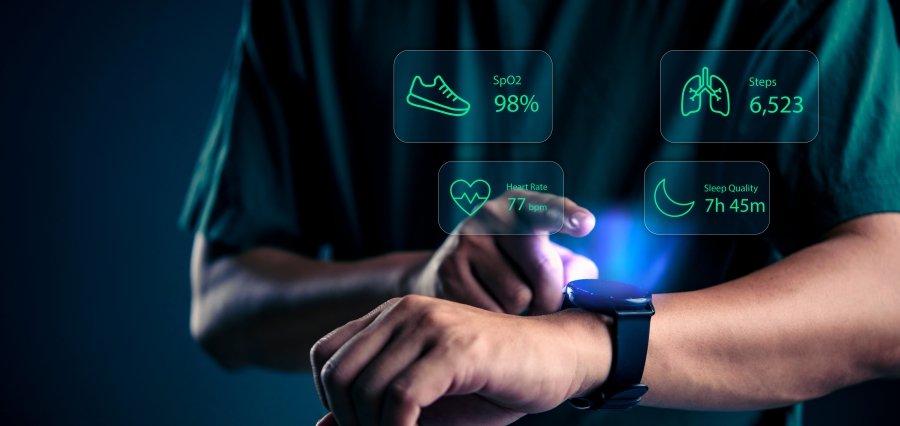
Wearable devices have become one of the more visible parts of this picture. Smartwatches and fitness bands now track heart rate, sleep, blood oxygen and activity levels around the clock. Some can pick up signs of an irregular heartbeat and alert the wearer to get checked. That kind of continuous health monitoring used to require a clinic visit. Now it happens on a wrist.
Mental health support has found a growing presence in the digital space too. Apps that guide users through breathing exercises, mood tracking and structured therapy techniques are now used by large numbers of people globally. For those who face obstacles to in-person support, whether due to cost, distance, or personal reasons, these tools offer something genuinely useful.
Telemedicine has expanded quickly and continues to grow. Consulting a doctor by video or message saves time, removes the need to travel and makes healthcare more manageable for people with demanding schedules or limited mobility. It has also opened up access for people in areas where local medical services are limited. Anyone asking what is digital health in a practical sense need only look at how telemedicine has changed the doctor-patient relationship in recent years.
The Role of Data in Digital Health
Data sits at the heart of what makes digital health work in practice. Health readings, activity logs and symptom records accumulate over time and give doctors something concrete to work with. A clear, organized set of information in a doctor’s hands leads to quicker decisions and fewer things falling through the cracks.
Electronic health records are central to this. When a patient’s full medical history is stored digitally and accessible to the right people, care becomes more joined up. A doctor meeting a patient for the first time has the background they need without having to start from scratch. The chance of something being missed or misunderstood goes down.
AI is becoming a practical part of how digital health functions day to day. It helps clinicians analyze scans, spot patterns in large sets of patient data and identify cases that need urgent attention. It works alongside clinicians rather than replacing them, giving healthcare professionals more capacity to focus on the patients who need them most.
The Importance of Trust in Digital Health Solutions
Digital health opens doors, but not every door opens equally. Access is where the gap shows up most clearly. People without a reliable internet connection, an affordable device, or the confidence to use digital tools can easily get left behind. A technology that only serves the already connected does little to make healthcare fairer or more inclusive.
Privacy sits close behind as a concern worth taking seriously. Health information is personal in a way that most other data is not and people have every right to know how it is being collected, stored and used. Health data is sensitive and people deserve to know how it is used and who can see it.
Clear data protection standards are not optional. They are necessary for people to feel safe using these tools. The quality of health apps also varies. Some are grounded in solid research. Others overstate what they can do. A degree of informed caution goes a long way when choosing which tools to trust. Conversations around what is digital health must also include honest discussions about these gaps and limitations.
The Future of Digital Health
The future of digital health points toward care that is more connected, more proactive, and more accessible than what exists today. Devices will improve. Platforms will become easier to navigate. The line between home and clinic will keep getting thinner.
The future of digital health also carries promise for prevention. Catching health risks early, before they become serious problems, is one of the most valuable things technology can support. Tools that encourage healthier habits and flag warning signs early have the potential to reduce the burden on healthcare systems in meaningful ways.
What is digital health in the years ahead will look different from what it looks like now. The direction, though, is clear. Those shaping the future of digital health today are laying the groundwork for a system that is faster, fairer, and better equipped to serve people wherever they are.
Conclusion: A Healthier World Within Reach
What is digital health in its simplest form is a way of bringing better care to more people. The tools available today are already making a real difference. As the future of digital health develops, the priority must be to make sure those tools work for everyone, not just those who are already well served.
Healthcare has always been about people. What is digital health at its best keeps that at the center of everything.