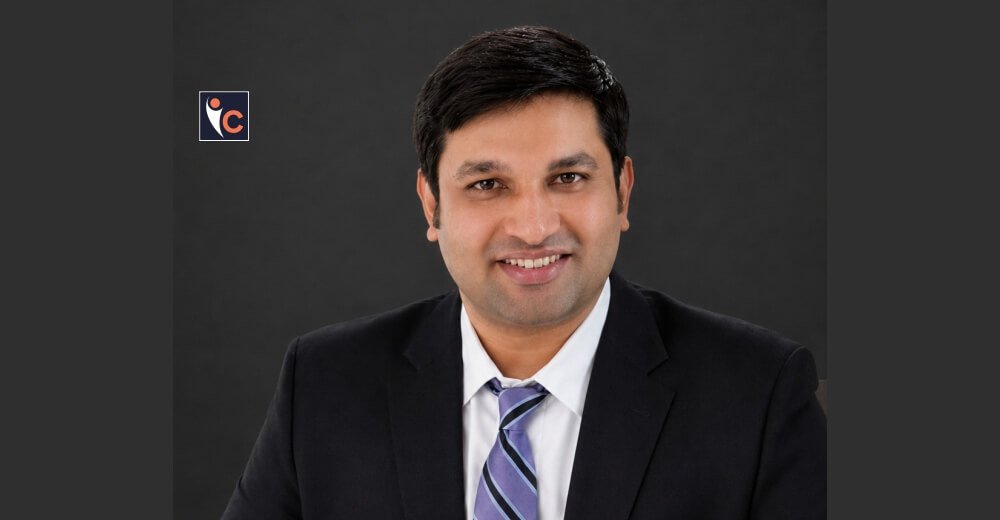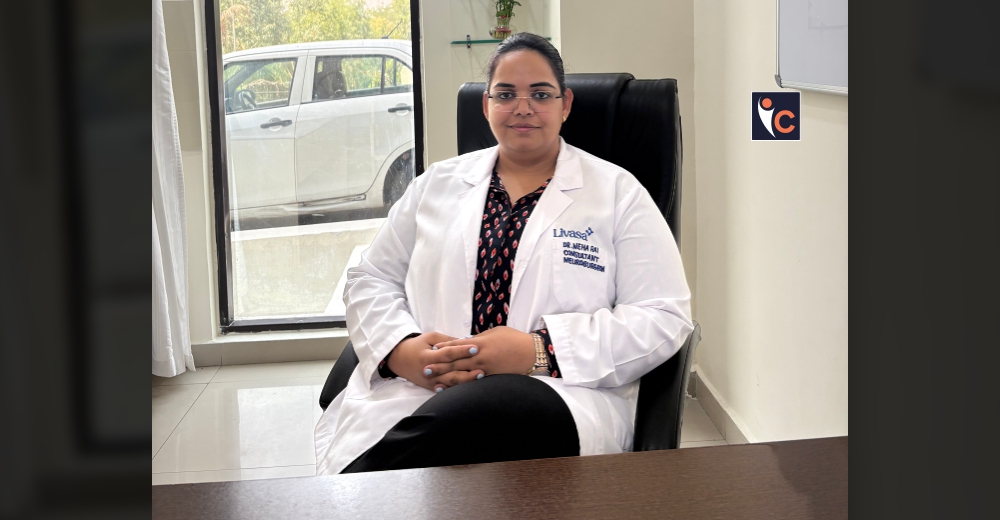
Dr. Neha Rai serves as a Consultant Neurosurgeon at Livasa Hospital in Hoshiarpur, Punjab, where she practices one of the most delicate specialties in medicine. Neurosurgery demands years of dedicated training, steady hands, and sound judgment. Yet what her patients remember most is how she made them feel during some of the most difficult moments of their lives. They recall her clear explanations when fear clouded their understanding and her calm presence when uncertainty filled the room.
Dr. Rai’s journey to becoming a neurosurgeon required hard work, discipline, and many sacrifices. Through every challenge, she held firmly to one belief: medicine should always respect the person, not just treat the illness. Today, she combines strong technical expertise with genuine care in every case she handles.
Let’s dive into her story of resilience and leadership!
A Childhood Shaped by Curiosity
From a young age, she was drawn to science and its connection to human life. The human body fascinated her. She was amazed at how perfectly nature designed each organ and how beautifully they function together. The complexities of the human structure did not intimidate her. Instead, they inspired her.
This early curiosity gradually evolved into a clear direction. She chose biology in school with interest and confidence. Over time, medicine became a natural choice. For her, becoming a doctor was not influenced by trends or external pressure. It was the result of years of fascination with understanding how life works from within.
Strong Foundations in Medical Training
She completed her MBBS and MS in General Surgery from Government Medical College, Patiala. Training in a government institution came with its own challenges. The patient load was heavy, and the cases were diverse. Each day demanded focus, stamina, and commitment. This environment helped her build resilience and sharpen her clinical skills.
During her early days in medical school, one organ consistently captured her attention: the brain. Its complex structure and the way it controls the entire body felt both challenging and inspiring. She was drawn to understanding and treating what is arguably the most powerful organ in the human body. This fascination eventually led her to pursue super-specialisation in Neurosurgery.
To follow this dream, she moved to Mumbai and joined Jaslok Hospital and Research Centre for her neurosurgical training. Being selected at one of Mumbai’s prestigious hospitals for advanced training marked a turning point in her career. It opened doors to advanced exposure and high-level mentorship.
Learning Among the Best
Training at Jaslok Hospital allowed her to work with complex and varied cases. She trained under some of India’s leading neurosurgical faculty. The experience strengthened her technical expertise and expanded her confidence. It was a period of intense learning and professional growth.
Even during her early training years, she made a conscious effort to stay updated with advancements in neurosciences. This habit later shaped her approach to patient care. After completing her super-specialisation, she continued working at the same institute for another two years. These additional years gave her deeper exposure to emerging technologies and modern treatment techniques for brain conditions.
Her experience in Mumbai gave her clarity and direction. It shaped her into a neurosurgeon who values both innovation and responsibility.
A Simple but Powerful Philosophy
Every doctor needs a guiding principle. For Dr. Neha Rai, that principle has always been clear: do what is right for the patient above everything else. As she says, “Do what is best for the patient. If you can’t give any benefit, don’t do any harm. You should always know when to stop.”
In neurosurgery, knowing when not to operate can be just as important as knowing how to operate. Her philosophy keeps her grounded and ethical, even in high-pressure situations. It allows her to make critical decisions with clarity while ensuring patient welfare always comes first.
This mindset keeps her aligned with integrity and protects the trust that patients place in her.
Overcoming Doubts and Breaking Stereotypes
Choosing surgery as a career was not without challenges. In the early stages, a woman opting for a demanding and emergency-driven branch like surgery was often viewed with hesitation. There were unspoken doubts about whether she could handle the pressure, particularly in a government setup where patient flow was overwhelming.
She noticed this hesitation. Instead of being discouraged, it strengthened her determination. She remained focused on her goal of becoming a neurosurgeon. The long hours, demanding cases, and constant pressure became stepping stones rather than obstacles.
With time, experience, and results, confidence replaced doubt. These challenges shaped her into a stronger and more self-assured professional.
Staying Ahead in a Changing Field
Neurosciences continue to evolve rapidly. New research, techniques, and technologies constantly emerge. To remain effective, she believes continuous learning is essential. She regularly studies research papers in her field and attends academic meetings to stay updated.
This commitment ensures that her patients receive care based on the latest knowledge and best practices. For her, learning is not limited to formal education. It is a lifelong responsibility.
Empathy at the Core of Practice
In a high-impact field like neurosurgery, efficiency is crucial. However, she firmly believes that empathy and ethics must guide every medical decision. She does not measure success by numbers or popularity. For her, success lies in treating patients while maintaining professional integrity.
She believes in transparency regarding treatment plans. She explains expected outcomes clearly and keeps families regularly informed about progress. Open communication builds trust, particularly when managing serious neurological conditions.
She often reminds herself that the individual sitting before her is not just a case file. That person is someone’s son, father, or brother. This awareness keeps her connected to the human side of medicine.
Recognition and Responsibility
Over the years, she has authored multiple research papers, some of which have received awards. These achievements reflect her dedication to academic growth and her contribution to medical science. She has also delivered academic lectures in her field.
Beyond hospital practice and conferences, she participates in medical camps from time to time. These initiatives allow her to reach individuals who may not always have access to specialised care. For her, empowering change in healthcare also means improving accessibility.
Women as Change Makers in Healthcare
As a female doctor, she believes women bring a unique dimension to patient care. In her view, women often approach treatment with deeper empathy and understanding. She feels that emotional strength, shaped by life experiences, can make medical care more humane.
She sees women leaders as important contributors to the future of healthcare, bringing compassion, resilience, and adaptability to the system.
Advice to the Next Generation
When speaking to aspiring women professionals, her message is confident and encouraging. She says, “No one can stop you if you have in your mind what to do. Just follow your inner voice.”
She acknowledges that doubts from others may arise. However, she urges young women to trust their abilities. Self-belief, she believes, is stronger than external criticism. She encourages them to see themselves as future inspirations.