Prime Highlights
- Mahajan Imaging & Labs has introduced an AI-based blood biomarker test combined with PET and MRI imaging to detect Alzheimer’s disease well before severe symptoms appear.
- The approach shifts Alzheimer’s diagnosis from symptom-based to biology-first, enabling early medical intervention and care planning for patients and families.
Key Facts
- The pTAU/Aβ1-42 blood test is approved by both the US FDA and India’s Central Drugs Standard Control Organisation, supporting its clinical use.
- More than 8.8 million Indians aged 60 and above live with dementia, and early detection using this combined blood and imaging approach could reduce long-term burdens on families.
Background
A new AI-based blood biomarker test combined with advanced imaging is showing promise in the early detection of Alzheimer’s disease in India. Mahajan Imaging & Labs said the approach can identify the disease well before severe memory and cognitive symptoms appear, helping doctors and families plan care at an early stage.
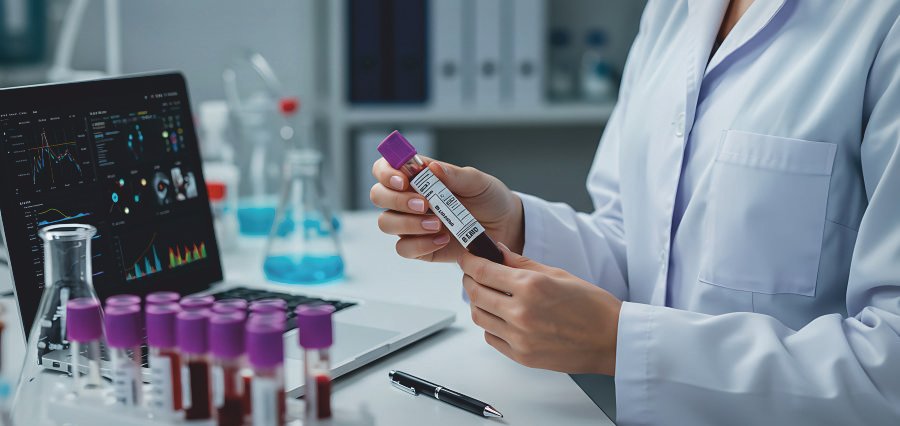
The diagnostic chain has introduced an Artificial Intelligence-integrated blood biomarker test supported by a structured PET and MRI imaging pathway. The method shifts Alzheimer’s diagnosis from a symptom-based process to a biology-first approach in Indian clinical practice. The test used, pTAU/Aβ1-42, has been approved by both the US Food and Drug Administration and India’s Central Drugs Standard Control Organisation.
The expanded diagnostic approach was formally presented at a scientific symposium held in Gurugram, where neurologists and imaging experts discussed its role in improving early diagnosis.
Globally, Alzheimer’s detection relies heavily on amyloid PET scans and cerebrospinal fluid testing. Access to amyloid PET scans in India remains restricted, Dr. Harsh Mahajan, Founder and Chairman of Mahajan Imaging & Labs, explained, citing costs that can climb as high as ₹2 lakh per scan. This has forced many clinicians to depend on symptom-based assessments.
He said combining blood biomarkers with FDG PET imaging can significantly improve early diagnosis and also help monitor how patients respond to newer treatments. The key strength of the model lies in integrating lab testing with imaging, he added.
Dr Shelly Mahajan, Lab Director, said blood-based biomarkers allow doctors to detect Alzheimer’s changes much earlier, when meaningful medical and personal planning is still possible. Dr. MV Padma of Paras Health added that combining blood tests with MRI and PET-CT helps doctors refer patients on time and lowers the long-term burden on families.
Experts noted that more than 8.8 million Indians aged 60 and above live with dementia and this number is expected to nearly double in the next decade, making early and accurate diagnosis increasingly important.