Digital Solutions
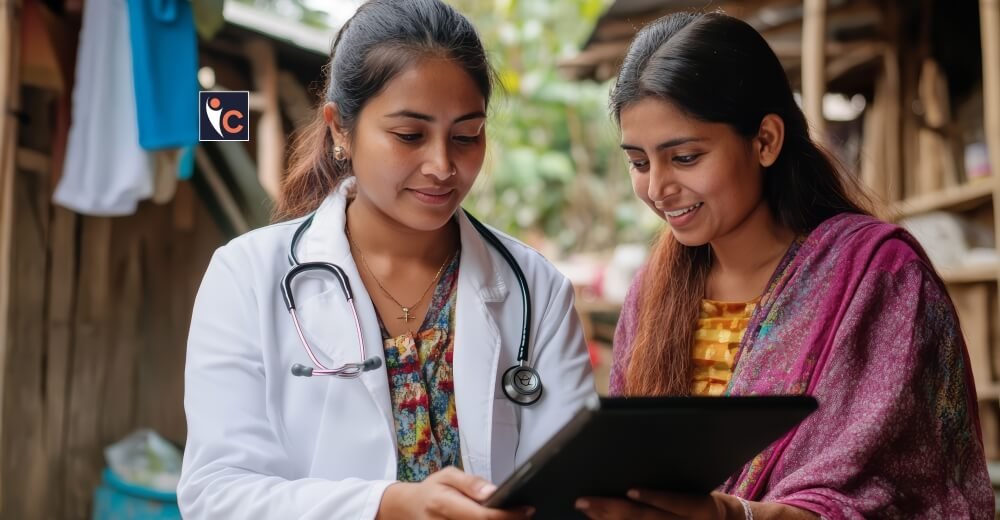
For many rural women, distance has always made it difficult to reach the healthcare they need. The distance, inadequate medical facilities and tight schedules on daily undertakings usually postpone critical checkups and treatment. Today, telemedicine and digital tools are helping change this. By bringing health services directly into homes and community spaces, technology is reducing long-standing gaps in maternal, reproductive, and chronic care.
The article explains how telemedicine helps rural women access healthcare more easily through remote checkups, better facilities, and support for major health needs.
Opening the Door to Accessible Care
Telemedicine allows women to talk to doctors through audio, video, or text, removing many challenges of living far from clinics. These virtual visits make it easier to schedule follow-ups, report new symptoms, and get preventive advice without interrupting work or family responsibilities.
For long-term conditions like diabetes, anemia, and hypertension, digital platforms help women monitor their health regularly. Physicians will be able to monitor updates of patients and manipulate therapy prior to complications.
Mobile health apps make this even easier by helping women track symptoms, set reminders, and learn about their health. These tools turn smartphones into simple health guides, and support from community health workers helps women feel more confident using them.
Infrastructure That Enables Access
Reliable internet is essential for digital healthcare. Women can now engage in easy consultations with specialists in other cities due to the availability of better connectivity. Signal boosters and shared charging points also help areas with poor electricity access.
The primary devices in telemedicine are Smartphones. They provide rural families with a simple means of accessing health services as they become cheaper and accessible. Clearly designed platforms and local languages have a positive effect on the new users.
Digital health systems also strengthen telemedicine. Secure electronic records allow doctors to review patient histories from anywhere. Rural clinics will be linked to urban hospitals more easily, and referrals will be quicker.
Addressing Women’s Most Critical Needs
Telemedicine is especially important for maternal and reproductive health. Pregnant women can receive prenatal advice, nutrition support, and early warning guidance without a long travel. After childbirth, remote consultations help mothers care for themselves and their newborns.
For sensitive topics like reproductive or gynecological issues, virtual visits offer privacy. Most women are less intimidated to talk about these issues with experts who do not belong to their immediate society.
Telemedicine also improves care for chronic illnesses. Every-day digital check-ins assist providers to modify medications and detect issues early, minimize emergency visits, and long drives to hospitals.
Tackling Barriers to Adoption
Bringing digital healthcare to rural areas comes with challenges. Some women may feel unsure or unfamiliar with new tools. Digital literacy programs teach basic skills like using apps, making video calls, and understanding online instructions. These sessions usually take place in familiar community spaces.
Trust is just as important. The community leaders, health workers, and women’s groups can make families understand that telemedicine is safe, confidential, and beneficial. Doctors also receive training to ensure virtual visits are respectful and culturally sensitive.
Clear rules and policies help guide telemedicine. Standards for data safety, service quality, and privacy build trust. Government, nonprofits and technology firms’ partnerships aid in making devices and internet access more affordable, so even women with low incomes are not excluded.
Expanding the Digital Healthcare Ecosystem
New tools are expanding what rural clinics can do. Tele-ultrasound and portable diagnostic devices allow technicians to gather information that specialists can review remotely. This early detection is especially important for high-risk pregnancies.
Health education apps share simple information that encourages preventive care. Quality of care is also enhanced by a doctor-to-doctor portal linking rural doctors with experts.
With the increasing interconnection between electronic records and telemedicine systems, rural clinics are increasingly becoming coordinated centers that are more connected to the larger medical networks. Offline features help keep services running even when internet access is weak.
Conclusion
The future of rural women’s healthcare depends on digital models that can grow across communities. Powerful policies and sustained investment will also enhance infrastructure in underprivileged areas. Regular evaluation will show what works best and where improvements are needed.
New tools, such as digital triage systems and platforms shaped by user feedback, continue to strengthen telemedicine. With a focus on accessibility and inclusion, digital solutions will play an even bigger role in meeting the needs of women in remote areas.
Telemedicine is now a key part of building healthcare equity. By bringing services closer, it helps rural women receive timely, reliable care exactly when and where they need it.