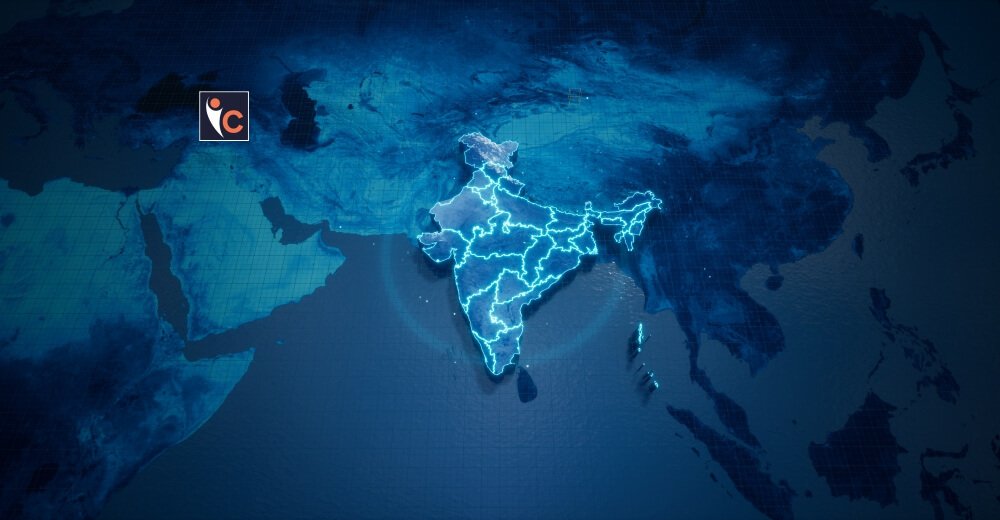
Global Dominance
India, once reliant on imported medicines, now leads the world in supplying affordable and reliable generic drugs. Indian pharmaceutical companies export to more than 200 countries and hold a major share of the global generic market. This achievement came from clear policy direction, strong manufacturing capability, and steady regulatory improvements. Together, these efforts turned India into the pharmacy of the world.
This article describes how India rose to become the pharmacy of the world through smart policies, strong manufacturing, strict regulations, and steady innovation in generic medicines.
Policy Foundations for Self-Reliance
India’s rise in pharmaceuticals began with an important policy reform that changed the industry’s future. The Patents Act was more concentrated on process patents than product patents, whereby Indian firms could develop new approaches to manufacture the already existing medicines without violating the patent regulations. This step reduced the power of foreign monopolies, encouraged local production, and opened the door to affordable generics.
The government continued refining intellectual property laws to protect public health while meeting global trade requirements. Other policies, like mandatory licensing, served to guarantee the availability of the necessary medicines. Meanwhile, India was making investments in biotechnology parks, improved labs, and enhanced pre-clinical testing systems. These efforts attracted investment, supported startups, and built a foundation for research and development.
What began as a push for self-reliance soon turned into a larger plan to build export strength. Consistent policymaking gave Indian companies the confidence and support needed to scale up quickly.
Manufacturing Excellence and Cost Advantage
India strengthened its position through strong manufacturing capabilities. It developed a huge number of trained scientists, chemists, and engineers at a low cost of production, compared with most Western countries. This combination made it possible to produce high-quality medicines at affordable prices.
Indian firms also became skilled in reverse-engineering, an essential part of creating generics. They improved their processes to meet strict global quality standards and invested heavily in producing active pharmaceutical ingredients (APIs). As a result, they reduced dependence on external suppliers and strengthened supply security.
Pharmaceutical clusters in states like Gujarat, Maharashtra, and Telangana grew into major manufacturing hubs. These clusters offered integrated supply chains, effective logistics, and fast access to ports, facilitating large-scale production and distribution around the world. Continuous upgrades ensured that facilities met global Good Manufacturing Practices and maintained high quality.
Today, this strong ecosystem produces a wide range of medicines, from basic antibiotics to advanced cancer treatments.
Regulatory Alignment and Global Market Access
India’s regulatory progress played a major role in gaining global trust. The national regulatory authority came up with stringent procedures that were used to test generic drugs to ascertain that they were safe and effective as per the global standards. As companies expanded their capabilities, more Indian plants earned approvals from top global regulators, a recognition achieved by only a few countries.
Regulatory alignment also made it easier for companies to export. Streamlined approval processes reduced delays and simplified entry into highly regulated markets. The trade agreements provided new opportunities, and incentive programs assisted in manufacturing basic pharmaceutical constituents domestically. The measures enhanced the reputation of India as a high-quality and reliable supplier.
Innovation in Generics and Beyond
As the industry evolved, Indian companies moved into more advanced areas. They invented intricate formulae like injections, inhalant medicines, controlled-release medicines and transdermal patches. These innovations expanded India’s export range and increased its global influence.
Biotechnological breakthroughs contributed to the creation of biosimilars and vaccines. India has become strong in science and is cost-effective, as many global pharmaceutical companies now contract their research and manufacturing to Indian firms.
Productivity has also been enhanced by the use of digital tools. Modern research technologies, data-driven quality checks, and automation can assist companies to work more quickly, make fewer mistakes, and ensure global standards.
Conclusion
India’s pharmaceutical success reflects strong policy support and effective industry leadership. Through its export orientation, Indian firms accessed markets that required low-cost healthcare services. Continuous investment in skills, technology, and infrastructure keeps the industry ready for changing global requirements.
As countries around the world search for affordable and dependable medicines, India’s approach, built on quality, accessibility, and innovation, continues to stand out. Two decades of steady progress have transformed the industry and strengthened global health systems. In a world that values reliable and cost-effective healthcare, India’s role as the pharmacy of the world remains firmly established.