Prime Highlights:
- Doctors at Fortis Memorial Research Institute have successfully cured children with Sickle Cell Disease through bone marrow (stem cell) transplants.
- The treatment offers hope for families in India and Africa, enabling children to lead healthy lives with outcomes similar to global standards.
Key Facts:
- A decade-long study of 100 pediatric patients (2015–2024) showed an overall survival rate of 87%, with 96% success in matched sibling transplants and 78% success in half-matched family transplants.
- Fortis used reduced-toxicity transplant protocols to lower complications like graft-versus-host disease, demonstrating scalable and cost-effective medical innovation in India.
Background
Doctors at Fortis Memorial Research Institute (FMRI) in Gurugram have cured children with Sickle Cell Disease (SCD) by performing bone marrow (stem cell) transplants, reaching results as good as the best hospitals worldwide.
The findings, published in the international journal Haemoglobin, are based on a decade-long study of 100 paediatric patients treated between 2015 and 2024. The study recorded an overall survival rate of 87%, with 96% success in matched sibling donor transplants and 78% success in half-matched (haploidentical) family donor transplants, a major step forward in treating this life-threatening condition.
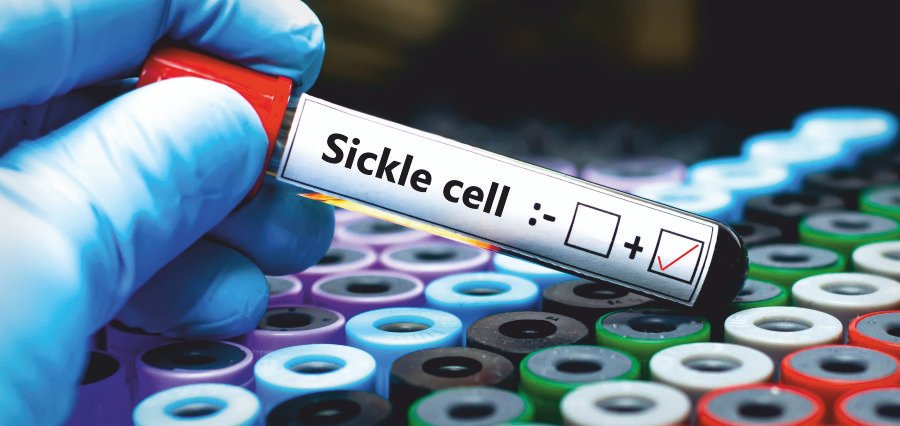
Sickle Cell Disease is an inherited blood disorder that causes severe anaemia, organ damage, and reduced life expectancy, especially common in India and Africa. Until recently, treatment mainly focused on managing symptoms. Stem cell transplantation now offers a permanent cure by replacing defective bone marrow with healthy stem cells.
“This is a ray of hope for families affected by Sickle Cell Disease,” said Dr. Swati Bhayana, Lead Author of the study. “Children in developing countries can now achieve outcomes similar to global standards with timely and advanced care.”
Dr. Vikas Dua, Head of Paediatric Haematology and Bone Marrow Transplant at Fortis, noted that many children who once depended on frequent transfusions are now leading healthy lives.
The Fortis team used reduced-toxicity transplant protocols to lower complications like graft-versus-host disease. Dr. Rahul Bhargava added that the success proves India can deliver cost-effective, scalable medical innovation.
Yashpal Rawat, Facility Director at Fortis Gurugram, said the achievement reflects the hospital’s mission to make advanced treatments accessible and affordable for families across India and Africa.
Read also : India Takes Major Step Towards Sickle Cell Free Future with Low-Cost Gene Therapy