Strategic Excellence
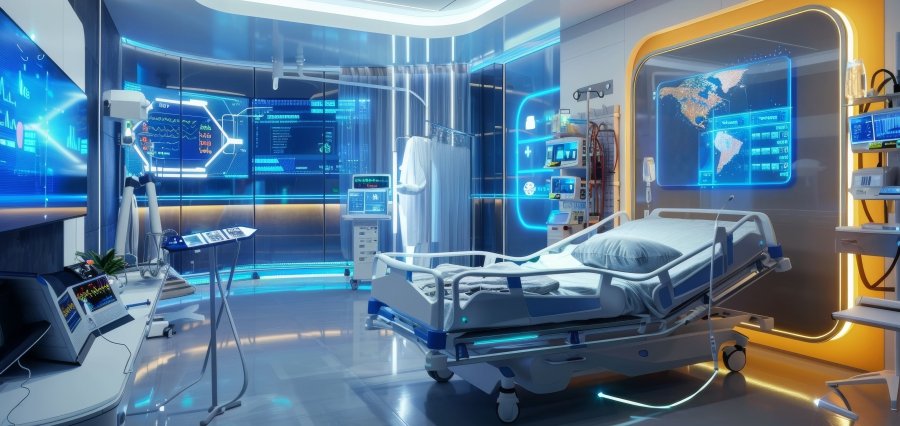
The healthcare industry in India is experiencing an incredible change, and this is through the new trends and the growing focus of strategic excellence. As the number of patients keeps growing, the number of chronic illnesses increases, patient needs change, hospitals have to reconsider their methods of operation. The redefinition of healthcare operations in India does not only involve changing the way healthcare is delivered to patients but also involves the enhancement of efficiency, sustainability, and resilience.
Digital health adoption is one of the most important tendencies that influence healthcare operations in India. The technologies, including electronic health records (EHR), telemedicine, and artificial intelligence (AI), are no longer optional but a necessity. In line with this, telemedicine, specifically, has been on a roll because of its capability to close the disparity between the urban and rural access of healthcare. Remote patients have an opportunity to consult specialists without having to travel a long way, whereas hospitals can handle their schedules, tests, and follow-ups more effectively. Equally, AI and data analytics can help healthcare providers to anticipate patient needs, allocate resources, as well as enhance treatment outcomes. Using these technologies, hospitals will be able to increase operational efficiency and provide individual care.
Patient-centric care is another trend that is coming out as the patient experience becomes central in delivering healthcare. Minimization of wait, enhancement of communication, and delivery of smooth services are all aspects that are being paid attention to in hospitals and clinics. Now patient feedback is deemed an important measure of operational enhancement. Patient-centric practices, besides being meaningfully more satisfying, also establish trust and loyalty, as well as improved health outcomes. Strategic excellence in healthcare demands organizations to create a balance between clinical expertise and empathy and good communication.
Managing medical supplies in India is getting better. Hospitals need medicines and equipment at the right time. COVID taught us our supply systems had big problems. Now hospitals use better tracking tools to know what they have and what they need. This stops waste and saves money. Good suppliers and clear buying rules also help. When everything works together, hospitals run smoothly without running out of important items.
Another important part of redefining healthcare operations is the workforce development. Any healthcare system is based on the work of skilled professionals such as doctors, nurses, and administrative personnel. The programs of continuous training, sharing of knowledge, and developing leadership contribute to the enhancement of the quality of services and efficiency. Hospitals investing in human capital do not only build a motivated workforce but also guarantee improved patient care and organizational strength.
Evidence-based management is becoming dominant in best practices of healthcare operations. Both standardized protocols, quality assurance and performance benchmarking are used to ensure that organizations are of high standards of care. The use of lean management principles, minimizing redundancies as well as streamlining work processes are ideas that have proven to work in enhancing the performance of operations. Also, the interaction between state and private healthcare facilities allows promoting innovation and making sure that best practices are popular.
Lastly, sustainability and corporate responsibility are turning out to be part of the healthcare operations. Hospitals are adopting friendly environmental practices, energy-efficient structures and waste management systems. Such practices are also beneficial as far as environmental savings are concerned, as well as help build on the organization social responsibility.
Making Indian healthcare better is not about one big fix. Hospitals need to do many things right. They need to use good technology, listen to patients, manage supplies properly, and train their people well. The hospitals that figure out how to do all this together, not just bits and pieces, will come out ahead. You can tell when you walk into these places. Things just work. Patients are happier. Staff are not stressed. That is what really matters, and that is what will help Indian healthcare get stronger over time.
Read Also : Operations That Matter in Driving Strategy and Improving Patient Outcomes