Restoring Joint Function
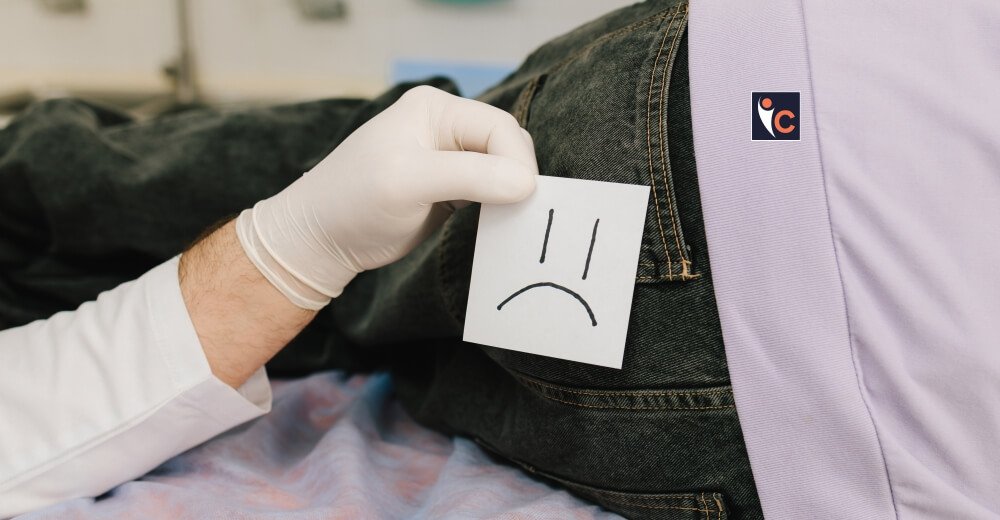
Pain rarely starts as something serious. It often appears as a slight stiffness in the knee, an ache in the shoulder, or discomfort in the hip during everyday movement. These initial symptoms are simple to ignore, but with time, they may start to influence the motion, labor and life of an individual. What starts small can gradually turn into a constant limitation.
Bone and joint problems are more common than people often think, yet they are frequently misunderstood or ignored for too long. The positive side is that, with the right care, mobility and comfort can be restored. This is where an orthopedic specialist plays an important role, providing the knowledge and treatment needed to identify the issue and improve joint function effectively.
Understanding the Scope of Bone and Joint Disorders
The human skeleton is a remarkable structure. It helps to hold the body, guard vital organs, and collaborate with muscles and connective tissue to enable movement. But like any complex system, it is vulnerable. It can be worn out, damaged, inflamed and aged.
Bone and joint disorders cover a wide range of conditions. Some develop gradually over the years, the result of daily stress slowly breaking down cartilage and tissue. Others appear suddenly following an injury. Some are tied to inflammation that originates within the immune system. Others are linked to the natural process of aging.
What these conditions share is their ability to disrupt function. When the joints do not move as they should, everything else is affected: posture, strength, balance and even mood. Chronic pain changes the way people live, often without them fully realizing how much they have already adjusted their behavior to accommodate it.
The Expertise Behind the Diagnosis
Reaching an accurate diagnosis is not always straightforward. Pain in one part of the body can sometimes originate elsewhere. Inflammation can mask the true source of a problem. Symptoms that seem minor can point to something more significant underneath.
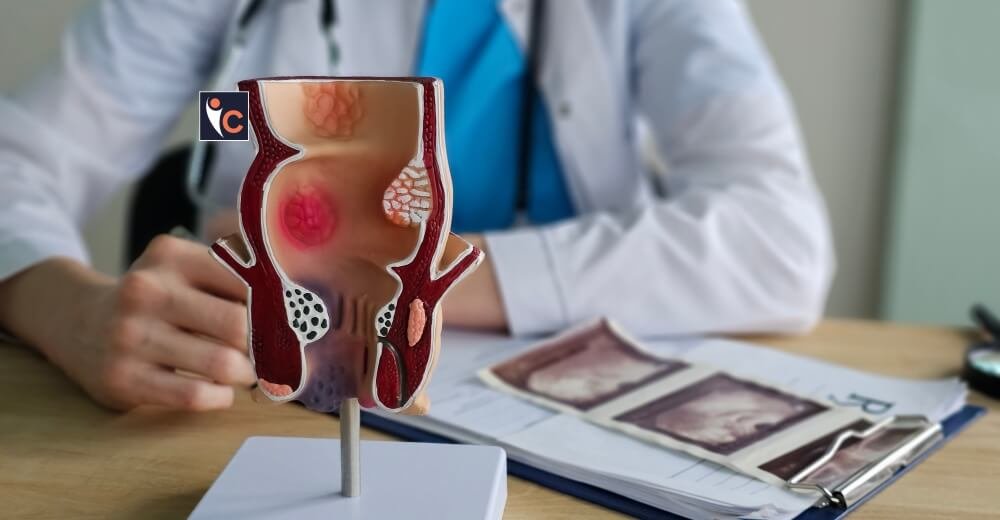
This is where Orthopedic Specialists bring something that general care cannot always provide. Their training focuses specifically on the musculoskeletal system: bones, joints, ligaments, tendons and muscles. They are aware of the interaction between these structures and the consequences when such a balance is lost.
Comprehensive assessment by Orthopedic Specialists is not superficial. It includes determining the way in which a person moves, the location of the pain, and the timing when it occurs, the factors that aggravate it, and those that ease it. Imaging and testing help build a fuller picture, but clinical judgment, developed through years of focused practice, is what ties it all together.
Non-Surgical Approaches to Treatment
One of the most important things people do not always know is that surgery is rarely the first step. Most bone and joint conditions are approached initially through non-surgical methods, and for many people, these approaches are enough to bring meaningful relief.
Physical therapy is often central to treatment. The muscles surrounding a damaged joint may be strengthened to decrease the load on the joint and enhance stability. Guided movement helps restore the range of motion that pain and stiffness have taken away. Anti-inflammatory treatments, targeted injections, and activity modification all play a role depending on the condition and the person.
Orthopedic Specialists build treatment plans around the individual, not just the diagnosis. Age, activity level, overall health, and personal goals all influence which path makes the most sense. Someone who wants to stay active has different needs than someone focused primarily on managing daily discomfort. Both are valid. Both deserve a plan that reflects their reality.
When Surgery Becomes the Right Answer
There are situations where non-surgical treatment reaches its limits. When cartilage is worn out, a fracture doesn’t heal, or a joint is badly damaged, surgery may be the best option.
Modern surgical techniques have advanced considerably. Procedures that once required lengthy hospital stays and long recoveries are now performed with much smaller incisions and shorter downtime. Joint replacement, in particular, has helped enormous numbers of people return to lives they thought were behind them.
The decision to operate is never taken lightly. Orthopedic Specialists assess the benefits and risks, consider the patient’s health and ensure surgery is the right choice.
Conclusion
Bone and joint problems often start small but can gradually affect daily life, limiting movement and independence. However, it does not mean that people have to live with these problems. Numerous conditions can be controlled with appropriate care and even improved with time.
An Orthopedic Specialist Leader plays an important role in this process by providing accurate diagnosis and the right treatment approach. Whether through non-surgical methods or surgery, the focus is always on reducing pain and improving movement.
Ultimately, restoring joint function is about helping people get back to their normal routines with comfort, confidence, and ease.