Prime Highlight
- Healthcare industry leaders are calling on the government to align Union Budget 2026–27 policies with rising medical costs and long-term public health needs.
- Experts stress the need for sustainable healthcare planning, stronger public–private partnerships, and greater focus on prevention and early detection.
Key Facts
- P. Senthilnathan of GEM Hospital said past budgets helped lower essential medicine costs and expand digital health and cancer care services.
- The sector is seeking wider adoption of AI and telemedicine, along with lower and simpler taxes on diagnostics and medical devices.
Background
As the Union Budget 2026–27 approaches, leaders from the healthcare sector are urging the central government to match its policies with rising medical costs and long-term public health needs. Industry leaders say the next budget must balance national development goals with affordable and accessible healthcare.
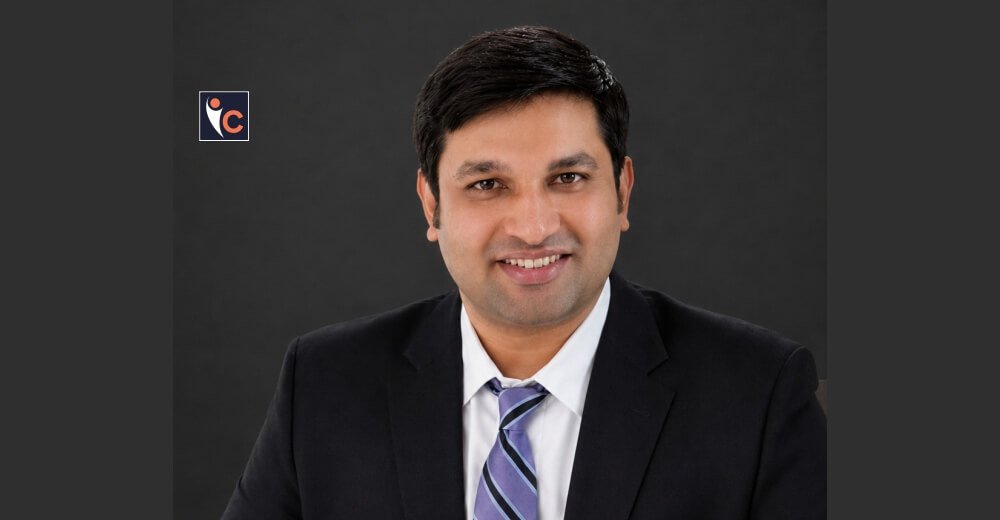
Dr. P. Senthilnathan, Director of GEM Hospital, said the upcoming budget should focus on building a strong and sustainable healthcare system. He noted that earlier budgets helped reduce the cost of essential medicines and strengthened digital health systems, especially in expanding cancer care services across the country. He said the next phase should build on this progress with a clear long-term plan.
According to Dr Senthilnathan, the Union Budget 2026–27 should support the vision of a “Healthy India” as part of the country’s broader goal of becoming a developed nation by 2047. He stressed that healthcare planning should go beyond short-term solutions and focus on long-lasting results.
The industry is also calling for deeper cooperation between the public and private sectors. Dr Senthilnathan said partnerships between the government and private hospitals can help expand screening programmes and reduce the growing burden of non-communicable diseases. He added that early detection and preventive care are critical as lifestyle-related illnesses continue to rise among working-age populations.
Healthcare providers are still worried about technology and taxes. Dr. Senthilnathan called for faster use of AI tools and telemedicine to reach more patients and work more efficiently. He also asked the government to simplify and reduce taxes on diagnostic services and medical devices to make healthcare cheaper for patients.
As budget talks move forward, healthcare leaders hope the government will prioritise these measures to strengthen India’s health system and support long-term economic growth.