Prime Highlight:
- Forus Health received regulatory clearance for its AI-driven FH-POISE™ DRT software, enabling wider use of automated screening for diabetic eye disease in India.
- The approval supports efforts to scale early diagnosis and reduce preventable vision loss amid India’s rising diabetes burden.
Key Facts:
- CDSCO cleared FH-POISE™ DRT as a Class C Software as a Medical Device, allowing it to analyze retinal images and help identify patients at risk of diabetic retinopathy.
- India had an estimated 89.8 million adults living with diabetes in 2024, driving increased demand for accessible and early eye screening solutions.
Background:
Bengaluru-based medical technology firm Forus Health has received regulatory clearance from the Central Drugs Standard Control Organization (CDSCO) for its artificial intelligence–driven tool, FH-POISE™ DRT, developed to screen for diabetic retinopathy.
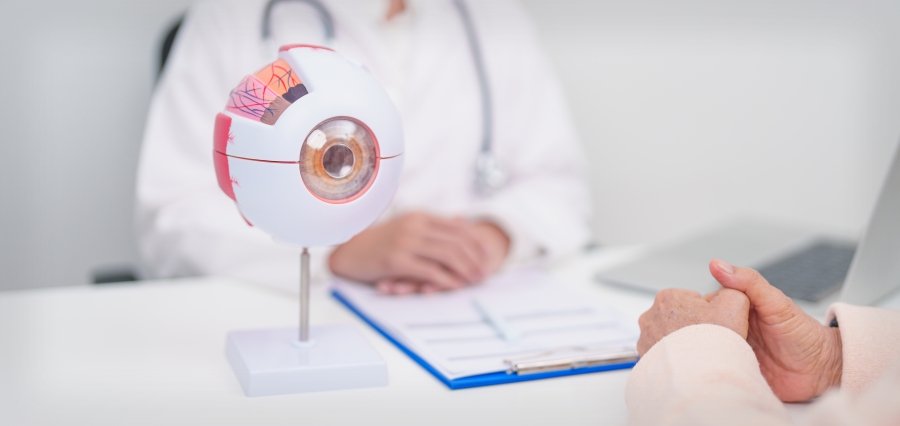
The approval allows the software to be used as a screening aid to identify people who may be at risk of diabetes-related eye disease. FH-POISE™ DRT uses advanced deep learning models to analyse retinal images and estimate the severity of the condition. This helps doctors decide which patients need further clinical assessment. Early screening is widely seen as a key step in reducing vision loss caused by diabetic retinopathy, one of the leading causes of blindness among working-age adults.
FH-POISE™ is part of Forus Health’s Precision Ocular Intelligence for Systemic & Eye Health platform. CDSCO has cleared it under the Class C category for Software as a Medical Device, one of the strictest regulatory classifications. According to the company, the technology has been tested on real-world retinal images drawn from a wide and diverse population, supporting its use in everyday healthcare settings.
India continues to face a growing diabetes burden. According to the International Diabetes Federation, nearly 89.8 million adults in India had diabetes in 2024. This has increased the need for eye screenings, especially in areas where people cannot easily see specialists.
Commenting on the development, Forus Health Founder and CEO Chandrasekhar K. said the real challenge lies in scaling screening efforts. He said that using reliable screening tools in regular diabetes care can prevent avoidable vision loss and reduce the workload for specialist doctors.
Delayed diagnosis of vision problems not only affects health but also costs the economy. In India, vision impairment and blindness cause more than Rs 11,000 crore in lost productivity each year.
After the approval, Forus Health will roll out FH-POISE™ DRT in hospitals, public health programs and screening initiatives, supporting India’s push for preventive healthcare and early diagnosis using digital tools.