Healthcare systems across the world are evolving to meet rising patient expectations, technological advancements, and the demand for accessible, high-quality care. As the industry continues to advance, the need for leaders who can align clinical expertise with efficient and ethical healthcare delivery has become increasingly important.
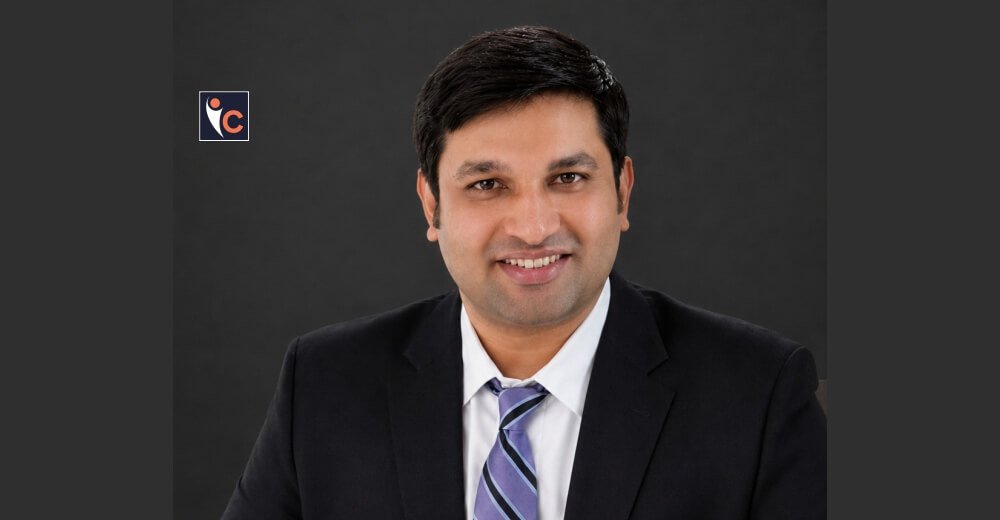
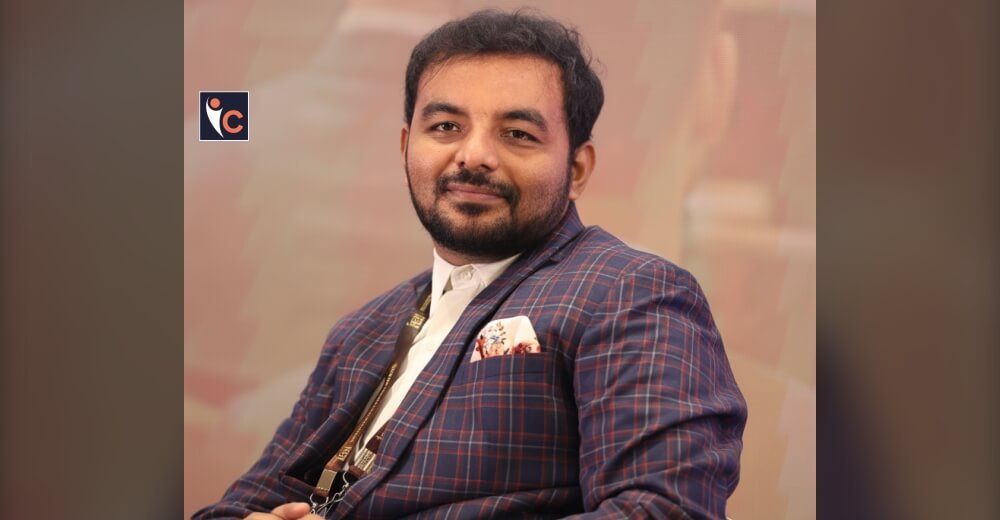
Dr. L. Abhishek Reddy is a Trauma and Robotic Joint Replacement Surgeon, Medical Director of Care & Cure Hospitals, healthcare administrator, educator, and entrepreneur. His unique combination of advanced surgical expertise, healthcare management, and commitment to community service has enabled him to build a patient-centric healthcare ecosystem focused on quality, innovation, and ethical medical practice. His vision is to make world-class orthopedic care accessible to every patient while mentoring future healthcare leaders and strengthening healthcare delivery across India.
His journey reflects the growing importance of leadership that balances innovation with responsibility, demonstrating how patient-centered care, clinical excellence, and ethical decision-making can shape the future of healthcare.
Let’s delve into the interview details below!
What inspired you to pursue a career in orthopedic surgery, and how has your professional journey evolved over the years?
The opportunity to restore mobility and transform lives inspired me to pursue orthopedic surgery. During my undergraduate years, I was deeply influenced by the precision and life-changing impact of trauma and joint replacement surgery. My mentors, particularly Dr. Vidyasagar and Dr. T.M. Ravinath, nurtured my passion for orthopedics and taught me that surgical excellence must always be accompanied by compassion and humility.
The greatest inspiration, however, has been my father, Mr. Lingala Siva Sankar Reddy, who demonstrated how a doctor can also be an effective healthcare administrator dedicated to serving society. Watching him build healthcare systems that benefited the community inspired me to expand my vision beyond surgery.
My professional journey has evolved from being an orthopedic surgeon to becoming a healthcare leader. Alongside advanced training in orthopedic surgery, Adult Reconstruction (FARS), Trauma (MCh), and Hospital Administration (MBA), I have focused on integrating clinical excellence with hospital management, quality systems, and innovation. Today, as Medical Director of Care & Cure Hospitals, my mission extends beyond treating fractures and replacing joints—I aspire to build healthcare institutions that provide accessible, ethical, and world-class care.
What core values and principles have guided your approach to patient care and clinical excellence throughout your career?
Compassion, integrity, ethical practice, and continuous learning form the foundation of my professional life. I strongly believe that “Right to access quality healthcare is a basic human right.” Every patient deserves respectful treatment, transparent communication, and evidence-based medical care regardless of their socioeconomic background.
Clinical excellence requires more than surgical expertise. It involves accurate diagnosis, meticulous planning, teamwork, patient education, and comprehensive rehabilitation. Every treatment plan should be individualized because no two patients are alike.
I also believe in constantly upgrading my knowledge so that my patients receive the safest and most advanced treatment available.
As a leader in orthopedic care, how do you foster trust, collaboration, and high standards within your team and practice?
Healthcare is built on teamwork rather than individual achievement. My role as Medical Director has taught me that the quality of patient care depends upon empowering every member of the healthcare team.
At Care & Cure Hospitals, we encourage multidisciplinary collaboration, transparent communication, continuous medical education, NABH quality standards, infection control practices, and regular clinical audits. We invest significantly in staff training because well-trained healthcare professionals ultimately provide safer patient care.
Trust is built through consistency, fairness, and leading by example. I expect the same ethical standards from myself that I expect from my colleagues. When every team member shares a common vision of compassionate, patient-centered care, excellence becomes a culture rather than an objective.
What have been some of the most significant challenges you have faced in your professional journey, and how did you navigate them?
One of the greatest challenges has been bringing advanced orthopedic care to patients living outside metropolitan cities. Many patients in semi-urban and rural regions delay treatment due to lack of awareness, accessibility, or financial limitations.
Another challenge has been balancing surgery with healthcare administration. Managing a hospital while maintaining an active surgical practice requires discipline, planning, and continuous learning.
Rather than viewing these challenges as obstacles, I treated them as opportunities to strengthen healthcare delivery. Through investment in advanced technology, quality accreditation, skilled professionals, and standardized clinical protocols, we have been able to offer metropolitan-quality orthopedic care closer to patients’ homes.
Orthopedic medicine continues to evolve rapidly. How do you stay ahead of emerging advancements, technologies, and treatment approaches in the field?
Orthopedics is constantly evolving, and lifelong learning is essential.
I regularly participate in national and international conferences, cadaveric workshops, robotic surgery training programs, fellowships, and academic discussions. Continuous exposure to innovations in robotic joint replacement, minimally invasive surgery, enhanced recovery protocols, AI-assisted healthcare, and evidence-based rehabilitation enables me to offer modern treatment options.
While technology continues to transform orthopedic surgery, I firmly believe that innovation should always complement sound clinical judgment. The ultimate goal is better patient outcomes, faster recovery, and long-term functional improvement.
What achievements, milestones, recognitions, or awards do you consider most meaningful in your career, and why?
Every patient who walks again after a severe injury or debilitating arthritis is my greatest achievement.
Professionally, I consider the successful performance of over 4,500 trauma surgeries, hundreds of knee and hip replacements, and the development of Care & Cure Hospitals into a NABH-accredited institution among my most fulfilling milestones.
Recognition through awards such as the Healthcare Visionary & Docpreneur Award, Global Market Leader Recognition, Best IMA State Secretary Award, and several healthcare leadership honors is deeply meaningful because they acknowledge not only surgical excellence but also healthcare leadership, innovation, education, and community service.
However, the greatest reward remains the trust patients place in me and the opportunity to improve their quality of life.
What advice would you offer to aspiring orthopedic surgeons who are looking to build a successful and impactful career in bone and joint care?
Never stop being a student.
Build a strong foundation in anatomy, surgical principles, and clinical examination before pursuing advanced technologies. Develop patience, discipline, empathy, and ethical decision-making alongside technical skills.
Remember that every X-ray represents a person with hopes, fears, and a family depending on them. Treat every patient with dignity and compassion.
Finally, develop leadership and management skills. Modern healthcare requires doctors who can not only perform excellent surgery but also build systems that improve patient care for entire communities.
Looking ahead, what are your future goals and aspirations for advancing orthopedic care and improving patient outcomes?
My vision is to establish one of India’s leading centers for trauma care, robotic joint replacement, sports medicine, and comprehensive musculoskeletal healthcare.
I aspire to make advanced orthopedic treatment more affordable and accessible to patients living in tier-2 and tier-3 cities. Equally important is mentoring the next generation of orthopedic surgeons and strengthening hospital quality systems through technology, research, artificial intelligence, and continuous medical education.
I also hope to contribute to healthcare policy by advocating greater access to quality healthcare, improved insurance coverage, and stronger public-private partnerships.
My guiding philosophy remains simple:
“Right to access quality healthcare is a basic human right. With vision, innovation, and compassionate leadership, we can build healthcare systems that truly transform lives.”