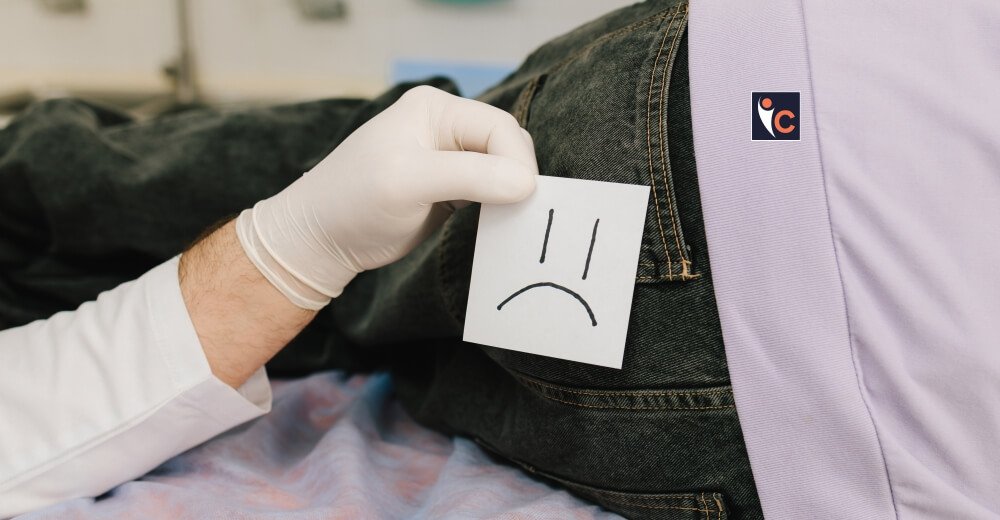
For countless patients, wounds that refuse to heal are more than a medical issue. They threaten mobility, independence, and life itself. Many visit hospital after hospital, only to be told there is nothing more that can be done. The fear of amputation becomes real, and hope feels out of reach.
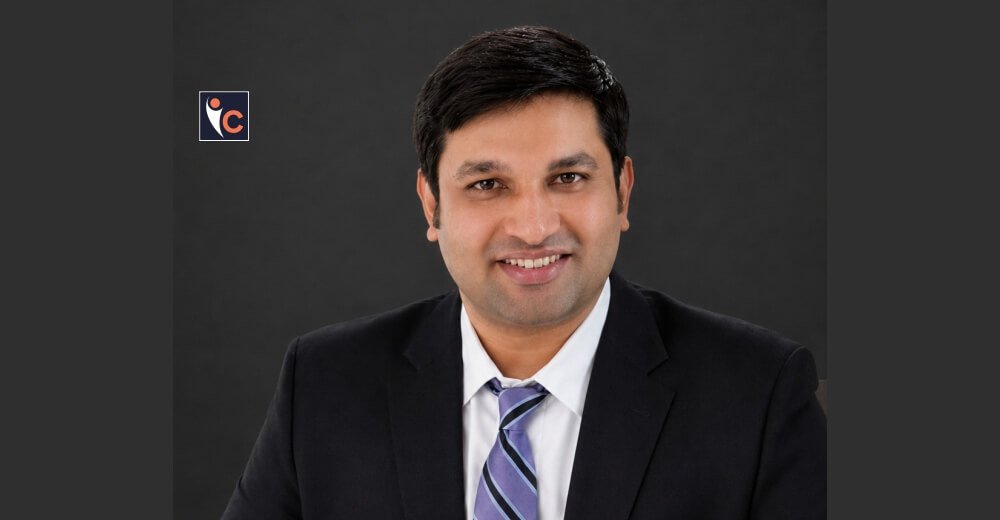
This is where Advanced Wound Healing Clinics (AWH Clinics) steps in. Patients who have nowhere else to turn find results that truly restore mobility and prevent amputations. Guided by Dr. K.V.N.N. Santosh Murthy, Founder & Podiatric and Burn Surgeon, the clinic goes beyond bandages and routine care to focus on true wound healing and strengthening. Everybody talks about wound care, but he talks about wound healing. Wound care treats symptoms, while wound healing restores strength, circulation, and function. Wound strengthening ensures the wound does not recur and the limb stays safe. As Dr. Murthy explains, “Our approach is built on three principles. First, time and patience to heal. Second, #NoAmputation. Third, RRR—Restoration, Rejuvenation, and Regeneration.”
At AWH Clinics, healing begins from the very basics. The team starts with the water patients drink, because the human body is 70 percent water and pure water can prevent many health issues. Nutrition, oxygen supply, blood circulation, and targeted physiotherapy are carefully managed to strengthen wounds and support recovery. Patients are guided step by step, gradually regaining mobility, resuming normal life, and rebuilding confidence. Healing here is not just medical—it is about restoring freedom, movement, and dignity.
Let’s take the first step toward healthier, healed feet and discover how Advanced Wound Healing Clinics can help!
The Beginning of a Healing Revolution
Every idea starts with a realization. For Dr. Murthy, it came from noticing what was missing in the system. He says, “The first point is in any multispeciality hospital or private clinic, you see departments like orthopedics, dermatology, pediatrics, cardiology, etc. But when it comes to wounds, there is no such department. That’s where the idea of Advanced Wound Healing Clinics came into the picture.”
Wounds, he explains, are often ignored even though they cause great pain and suffering. Many chronic wounds, burn wounds, and diabetic foot ulcers remain untreated for months or even years. As a surgeon, he wanted to understand why some wounds refuse to heal. He answered that they do not receive the right care. “Just like a crying baby needs milk and not toys, wounds too need what they want, not what we assume.”
For Dr. Murthy, wound healing cannot be mechanical. “Healing requires a holistic approach addressing oxygen supply, blood flow, pressure, and other root causes. Unless we work on these root causes, we can’t achieve lasting healing.” His clinic was built on this philosophy. It focuses not just on closing the wound, but on understanding the patient as a whole person whose lifestyle, nutrition, and mental health all affect recovery.
Breaking the Chain of Amputations
The statistics are alarming. Worldwide, one amputation happens every 30 seconds. In India, around one lakh amputations take place each year, and the number continues to rise by about 13.5 percent annually. Behind each amputation is a human story, a worker, a parent, a breadwinner, whose life changes overnight.
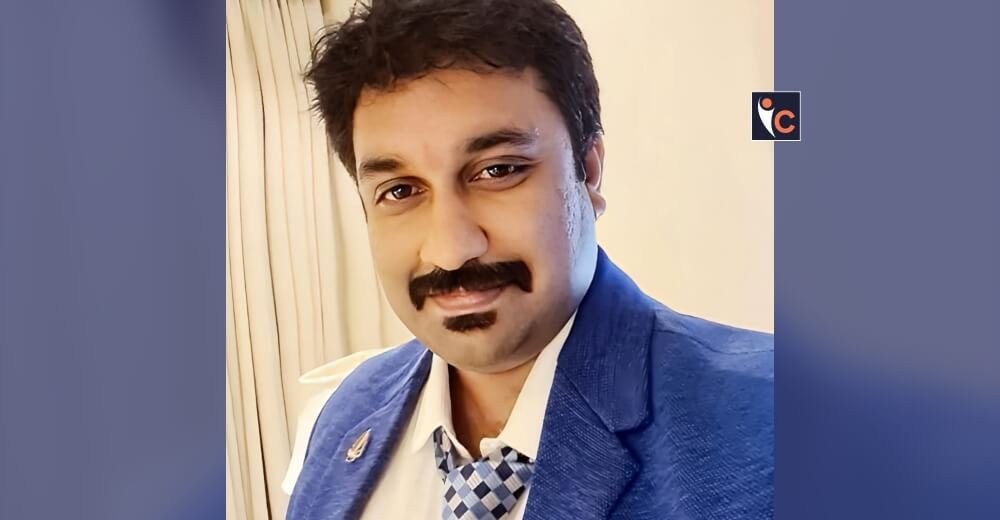
As the State President for Telangana and Andhra Pradesh of the Indian Podiatry Association, Dr. Murthy is determined to reduce these numbers. “Amputation is not the only solution. We can heal and make patients walk again.” His words reflect years of experience and success in limb salvage cases.
Hyderabad, he notes, has become the diabetes capital of India, and the city’s fast-paced lifestyle has contributed significantly to this crisis. Factors such as air pollution, adulterated food, and low physical activity make healing even more challenging. AWH Clinics was founded to address these problems at their roots and to give patients hope, even in advanced cases of diabetic wounds. Most of the patients who come to the clinic have already been rejected by multi-specialty hospitals, making AWH Clinics their last hope. Every patient saved from amputation reinforces the clinic’s mission and motivates the team to continue pushing the boundaries of wound healing.
Awareness on a National Scale
Dr. Murthy believes that awareness is as important as treatment. Every year, the Indian Podiatry Association observes International Podiatry Day with outreach and education campaigns. “Across India, the Indian Podiatry Association has multiple state chapters. As the head for Andhra and Telangana, we plan large-scale awareness drives.”
The drives are not limited to cities. The association’s teams visit villages, towns, and districts to conduct free screening camps. Early detection is key. “Just like cancer, if detected early, we can manage diabetic foot complications effectively,” he says. His team’s focus is to identify high-risk patients before complications turn serious. “Out of the one lakh amputations that occur every year, nearly 90 percent are preventable with early detection.”
On International Podiatry Day, association members across India carry out simultaneous screenings and awareness sessions. This national effort has helped many patients seek medical attention before it is too late.
Challenges Along the Way
Starting a new idea in medicine is never easy. Dr. Murthy faced several obstacles when he began his journey. The first was lack of awareness, both among patients and doctors. Many people think a wound is minor and will heal on its own. By the time they realize it is serious, the infection has spread.
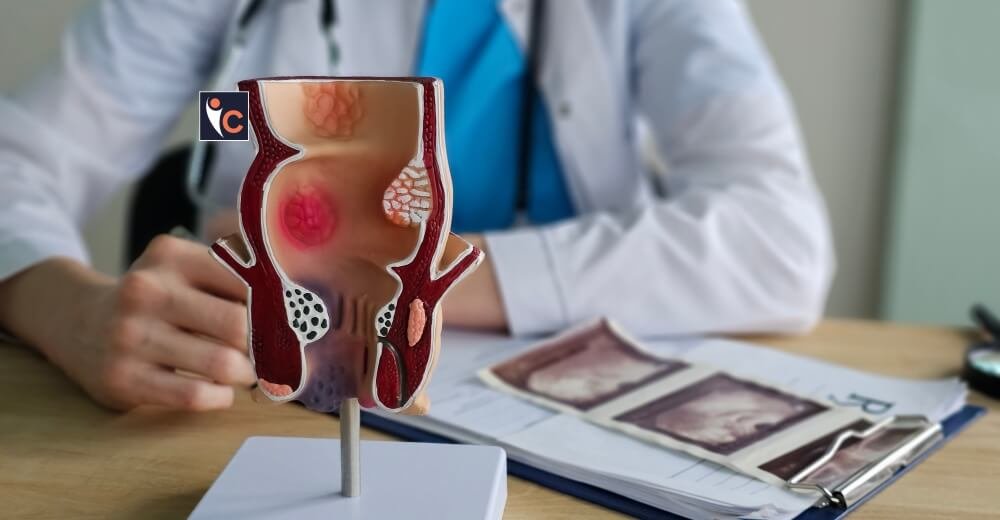
Money is another problem. Only about 20 percent of Indians have health insurance, and wound management can be expensive. “Managing a diabetic foot ulcer is costlier than treating some cancers,” he explains. Wounds on the feet or lower legs heal more slowly due to poor blood flow. Their treatment often involves several types of therapy, including oxygen therapy, physiotherapy, proper footwear, and dietary support.
Another challenge is the attitude within the medical community. “It takes 2 minutes to amputate but 2 to 3 months of hard work to save a limb,” he says. Because wound healing demands patience and time, many doctors avoid it. There is also a shortage of podiatry specialists in India. This lack of expertise motivated Dr. Murthy to build a clinic model that focuses completely on preventing amputations through specialized, dedicated care.
Modern Technology, Holistic Care
What makes Advanced Wound Healing Clinics unique is its integration of advanced technology with natural, patient-centered healing. The clinic follows a concept called RRR — Restoration, Rejuvenation, and Regeneration.
Restoration focuses on correcting nutritional deficiencies. Vitamins, iron, and proteins are restored either orally or through IV routes to support tissue repair.
Rejuvenation involves cleansing the body before it can heal. “We use ozone therapy, hydrogen therapy, hyperbaric oxygen therapy, infrared sauna, colon hydrotherapy, and laser therapy to cleanse and re-energize the body,” explains Dr. Murthy. He often reminds his patients, “No cleaning, no healing.”
Once the body is ready, Regeneration begins. Techniques such as stem cell therapy, PRP (platelet-rich plasma), fat grafting, and dermal substitutes help the body form new tissue and blood vessels. After the wound heals, physiotherapy and continuous follow-up ensure that it stays strong and does not recur.
This combination of modern medical technology and natural methods has made the clinic a pioneer in comprehensive wound healing and wound strengthening in India.
A Team of Specialists Working Together
Dr. Murthy believes that diabetic wound healing can never be handled by a single specialist. “A single-specialty, multidisciplinary approach is key to success.” At his clinic, experts from various fields come together to create personalized treatment plans.
The team includes biomechanics specialists who analyze gait and pressure points, nutritionists who design diets that support healing, physiotherapists who restore movement, and diabetologists who monitor blood sugar control. Cardiologists and physicians are also part of the process, since poor circulation in the feet often reflects heart or vascular issues.
This model ensures that every factor affecting wound healing is addressed at once. Instead of treating the wound in isolation, the clinic treats the whole person, helping them return to health with confidence.
Preparing for a Growing Challenge
With diabetes cases increasing each year, Dr. Murthy and his team are preparing to meet the growing demand for specialized wound healing. Through the Indian Podiatry Association, he is connecting professionals from multiple disciplines general surgery, vascular surgery, plastic surgery, orthopedics, diabetology, and physiotherapy, to collaborate in the field of podiatry.
The goal is to establish more standalone centers focused exclusively on diabetic foot care and amputation prevention. These centers will not only treat patients but also train new specialists. By expanding through partnerships and shared expertise, Dr. Murthy hopes to make advanced wound healing accessible even in smaller cities and rural areas.
When Hope Walks Again
Every doctor has stories that stay with them forever. For Dr. Murthy, one such story is about a tailor’s wife from Nalgonda. Her husband, a diabetic government employee, had been advised to undergo a below-knee amputation. They were financially strained and emotionally exhausted.
Dr. Murthy decided to try to save the limb. Within 45 days, the wound began to heal, and with custom-designed footwear, the patient slowly regained the ability to walk. “His wife told me she had three children: two kids and her husband, because she had to carry him everywhere. When he walked again, her eyes said everything,” Dr. Murthy recalls. Today, the patient is back on his feet, driving his scooty, taking his children to school, and helping his wife with daily chores. It is hard to imagine how much their lives would have changed if the limb had been amputated. This success is a powerful reminder of what hope, proper care, and determination can achieve; not just for the patient, but for the entire family.
Dr. Murthy remembers that moment vividly. “Wound healing is not just medical; it’s emotional. It gives immense professional and personal satisfaction.” For him and his team, these moments are the true reward, seeing patients regain their independence and joy after months or years of struggle.
The Role of Education and Lifestyle
Healing does not end at the clinic. Dr. Murthy insists that what patients do at home determines how fast and how well they recover. “A patient stays at the clinic for only 1 to 2 hours a day but spends 23 hours at home. Mistakes at home affect recovery.”
Because of this, he spends time personally counseling each patient and their families. “Stress delays healing even in simple surgeries,” he says. His team guides patients on managing diet, hydration, rest, and mental well-being. Dr. Murthy emphasizes the power of focus in recovery. “When you come here, treat it as your meditation. Leave everything else behind. Be fully present, give your complete attention, and be ready to follow guidance. Healing begins from the mind as much as the body,” he says. He expects every patient to bring their full focus and commitment, because true recovery starts when the mind and body work together.
His goal is not only to heal the wound but to prevent it from coming back. “Healing should mean no recurrence. For that, both body and mind must heal.” Patients are encouraged to see their recovery as a journey that involves lifestyle change, self-discipline, and positivity.
Advancing Research and Innovation
Dr. Murthy’s clinic is also a place for research. He believes that wound healing and wound strengthening in India needs its own data, not just international references. “We conduct research on new products and protocols, with about 6 to 7 international publications already completed.”
The clinic studies new therapies and evaluates their outcomes in Indian patients. Climate, diet, and lifestyle in India differ greatly from those in Western countries, so treatment results can vary. By creating local data, the clinic helps improve outcomes for patients nationwide.
Through the Indian Podiatry Association, Dr. Murthy and his team organize CME programs and workshops to educate other doctors. Many physicians are not sure when to refer patients for wound healing and strengthening, which leads to delays and amputations. By sharing knowledge and new techniques, he hopes to improve referral systems and overall awareness in the medical community.
A Vision for the Future
Dr. Murthy’s dream is to make quality wound healing & wound strengthening available to everyone, not just city residents. “My vision is to establish multiple centers across India, starting with Telangana and Andhra Pradesh.” He wants to bring early detection and preventive care to smaller towns and rural areas, where the need is greatest.
“The goal is to expand not just in cities but also districts and towns, where the need is greatest,” he says. While urban centers can afford specialized treatment, rural patients often come too late because they lack access. His expansion plan aims to change that by setting up clinics that can diagnose and manage wounds before they become life-threatening.
He also plans to train more doctors and nurses to specialize in wound healing and wound strengthening. His vision is a network of amputation-free centers across the country, each run by professionals who share the same commitment and passion.
A Message to Readers
For Dr. Murthy, prevention is always better than cure. His final message is simple but powerful. “Take diabetes seriously. Most diseases stem from poor nutrition and mental stress. Prevention is better than cure.”
He reminds people that health is not only physical. “Even the richest or fittest person can have a heart attack at 30 if mental and physical health aren’t aligned.” His advice sums up his philosophy in one line: “Focus on nutrition and mental health; these two will keep you away from me.”
These words capture the heart of his mission. He wants people to understand that real healing begins before illness strikes, through balanced living and awareness.