Cancer touches lives in ways that no one can prepare for. It challenges the body, tests the spirit, and reshapes families overnight. Medical research is moving at a light speed in the world, breakthroughs in areas like precision radiotherapy, targeted therapy, and immunotherapy provide hope to the world like never before. But even the strongest medicines are no substitute for the human touch, the attention, the knowledge and the support that turn fear to strength.
Today, being a leader in oncology means more than mastering treatments or equipment. It means understanding the person behind every scan, listening to their fears, and applying science with the heart. Those who do this leave an unforgettable mark on both patients and the profession.
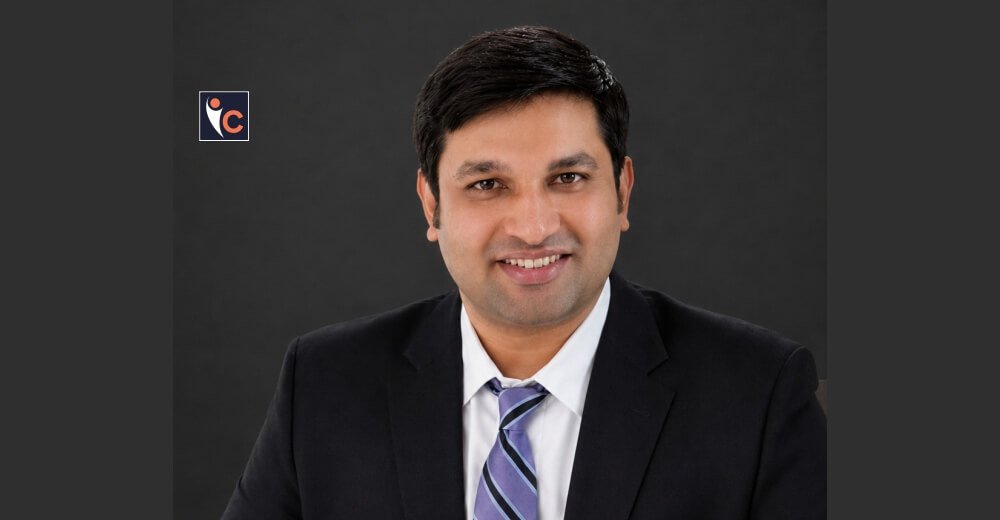
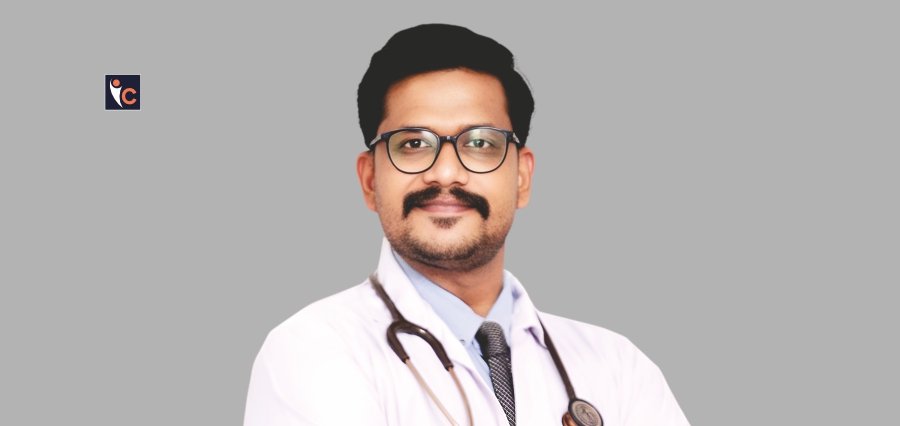
Dr. Siddhesh Tryambake, M.B.B.S, M.D, DNB (Radiation Oncology), DrNB Medical Oncology, MNAMS, PDCR, FCMO, FCPM, ECMO (Europe), a Medical and Hemato-Oncologist at Aditya Birla Memorial Hospital, stands at the forefront of this evolution. He is an expert in radiation and medical oncology, who does not treat patients as cases and statistics but individuals with their own stories, hopes and challenges. His professional life is a lesson in scientific method, uncompromising compassion, and in his mission as a shepherd to patients passing through one of the most painful periods of their lives.
Let’s see how expertise and empathy come together in Dr. Siddhesh Tryambake’s approach to modern oncology!
What sparked the journey?
For Dr. Siddhesh Tryambake, the decision to pursue oncology was fueled by both intellectual curiosity and a profound sense of purpose. Reflecting on his early years in medical school, he notes the emotional and physical toll of cancer: “During my early years in medical school, I witnessed firsthand the immense physical and emotional toll cancer takes—not just on patients, but on entire families. What struck me most was how cancer care demanded not only cutting-edge science but also profound empathy.”
Radiation oncology initially drew him because it uniquely merges precision, technology, and biology. Yet, as his exposure grew, he realized that integrating medical oncology would allow for a more holistic approach to treatment. “My motivation has always been the belief that while we may not be able to cure every patient, we can always care, comfort, and guide them through one of the most difficult journeys of their lives.”
This blend of science and humanity became the guiding philosophy of his career, shaping his approach to each patient interaction, each research project, and every professional decision. The early inspiration evolved into a calling that extends beyond protocols and procedures, embedding itself in every facet of his practice.
Mentors and Formative Experiences
Dr. Siddhesh Tryambake attributes much of his professional development to the mentors and experiences that guided him. His training at Tata Memorial Hospital, Mumbai, exposed him to the complexity of oncology in India and emphasized evidence-based, practical care. “I have been fortunate to have mentors who not only shaped my clinical skills but also my values as a physician,” he reflects.
Mentorship extended beyond technical skills, emphasizing humility and meticulousness in research. Later exposure to medical oncology helped him appreciate the nuances of systemic therapy, clinical trial design, and translational research. He emphasizes that patients themselves have been invaluable teachers: “Every patient story—whether of courage, resilience, or loss—has left an indelible mark on my approach to care.”
These early experiences reinforced a critical lesson: oncology is not just about treating a disease; it is about understanding the human beings behind each diagnosis. The combination of expert guidance and lived patient experience created a foundation that continues to inform his daily practice.
Balancing Technology with Humanity
Modern oncology offers remarkable technological tools, including IMRT, IGRT, VMAT, and targeted therapies, yet Dr. Siddhesh Tryambake underscores that technology alone cannot define effective care. “I have always believed that compassion is the truest precision. It means understanding not only the genetic profile of a tumor but also the social, emotional, and financial background of the patient.”
Advanced modalities allow clinicians to treat cancer effectively while sparing normal tissues. However, he emphasizes that true precision involves personalizing care in every dimension. Sitting with patients, explaining complex medical information in simple language, and addressing fears openly are central to his approach.
For Dr. Siddhesh Tryambake, compassion is intertwined with clinical excellence. The human connection is what transforms a treatment plan into a pathway of trust, resilience, and hope. In his words, “compassion and cutting-edge medicine are not separate; they complement each other and together build trust, which is central to healing.”
Palliative and End-of-Life Care
Palliative care, often overlooked in discussions of advanced medicine, is at the core of Dr. Siddhesh Tryambake’s practice. He acknowledges the difficult realities many patients face, particularly those who present late or experience relapse. At these junctures, oncology is less about prolonging life and more about ensuring dignity, comfort, and peace.
“I emphasize early integration of palliative medicine alongside active treatment, so that patients never feel abandoned,” he explains. This approach encompasses pain management, psychological counselling, and family involvement in decision-making, ensuring a holistic focus that respects the patient’s wishes.
Equally critical is guiding families through grief and helping them understand that comfort-focused care is not surrender; it is honoring the patient. Such principles ensure that even in end-of-life situations, the care delivered is humane, respectful, and deeply compassionate.
Patient-Focused Principles
Dr. Siddhesh Tryambake’s patient-centric approach is grounded in three guiding principles: listening deeply, communicating clearly, and treating the person, not just the cancer. “Even in high-stress cases, I remind myself that behind every scan and lab report is a human being who has trusted me with their life. That perspective keeps me grounded.”
Listening is more than hearing symptoms; it is understanding the broader context of a patient’s life. Clear communication ensures patients make informed decisions without fear or confusion. Treating the person means considering the emotional, social, and practical dimensions of care alongside clinical interventions.
This philosophy enables him to maintain a steady focus on humanity even in the most complex cases, ensuring that the pressures of modern oncology never overshadow patient welfare.
The Role of Aditya Birla Memorial Hospital
Aditya Birla Memorial Hospital has provided a platform for Dr. Siddhesh Tryambake to practice comprehensive, multidisciplinary cancer care. “The hospital has supported my vision of patient-centric oncology by investing in advanced technologies while also prioritizing counselling services, support groups, and community outreach,” he shares.
He values the collaborative approach, where surgeons, medical oncologists, radiation oncologists, palliative experts, and nurses function as a cohesive team. This holistic framework enables continuity from diagnosis to survivorship, allowing patients to experience integrated care under one roof.
The alignment between institutional vision and individual philosophy has been central to Dr. Tryambake’s ability to implement patient-focused programs and pursue innovations in precision oncology.
Expanding Horizons through Learning
Dr. Tryambake’s multiple certifications including FCPM, ECMO, and PDCR, have broadened his professional perspective and enriched his patient care strategies. Each credential contributes to a layered understanding of oncology practice, research methodology, and palliative integration.
“The Foundation Course in Palliative Medicine reinforced the importance of integrating symptom control into oncology practice,” he notes. His European Society for Medical Oncology certification exposed him to international standards of care, while the Professional Diploma in Clinical Research enhanced his ability to critically evaluate studies.
Collectively, these experiences have reinforced an evidence-driven approach that merges compassion with scientific rigor, ensuring that every patient benefits from both innovation and humanity.
The Future of Precision Medicine
Dr. Tryambake is particularly excited by advancements that promise greater efficacy, reduced toxicity, and personalized care. Key areas of interest include immuno-oncology, NGS-driven liquid biopsies, and artificial intelligence applications. “These developments promise a future where cancer treatment is not only more effective but also less toxic and more tailored to the patient’s biology.”
By leveraging these tools, clinicians can move beyond one-size-fits-all treatments toward approaches that are finely tuned to each patient’s disease and circumstances. Such trends signal a future where technology and human-centered care are seamlessly integrated.
Advanced Technologies in India
Looking ahead, Dr. Siddhesh Tryambake foresees immunotherapy and stereotactic radiotherapy becoming mainstream in India. Cost and accessibility remain challenges, but the growth of biosimilars and indigenous innovations will expand availability. He highlights the potential synergy of combining immunotherapy with stereotactic body radiotherapy (SBRT), positioning India as a contributor to global clinical data.
Efforts to make advanced therapies accessible will require partnerships among policy makers, hospitals, and industry. Regional cancer centers must extend beyond metropolitan areas, while public awareness and early detection remain critical components of reducing overall disease burden.
Mentoring the Next Generation
Mentorship is central to Dr. Siddhesh Tryambake’s professional philosophy. He emphasizes teaching not only clinical skills but also perspective, resilience, and empathy. Trainees are encouraged to engage with research, participate in tumor boards, and gain exposure to both active treatment and palliative care.
“Stay rooted in compassion, because technology will evolve but empathy is timeless,” he advises young professionals. This approach ensures that the next generation of oncologists remains capable of balancing knowledge with kindness, science with humanity.
Strengthening Preventive Oncology
If one transformative change were possible in India’s oncology landscape, Dr. Siddhesh Tryambake would prioritize preventive care and early detection. Advanced-stage presentation remains a major hurdle, and nationwide screening, vaccination, and public education could significantly reduce mortality.
Treating cancer early is both more effective and cost-efficient, allowing healthcare systems to allocate resources more strategically while improving patient outcomes. This focus on prevention underscores his holistic view of oncology, where care begins long before a diagnosis is made.
Message to Aspiring Oncologists
Dr. Siddhesh Tryambake offers a clear message for those entering the field: oncology is a calling that demands scientific excellence as well as profound humanity. “Stay updated with science, embrace new technologies, but never lose sight of the fact that medicine is about people, not protocols. If you can balance knowledge with kindness, you will not only treat disease—you will transform lives.”
His words reinforce a simple truth: in oncology, the ultimate measure of success is not only survival statistics but the quality of care, empathy, and trust cultivated along the way.
A Closing Reflection
Oncology in India and globally is evolving rapidly. Advances in precision medicine, immunotherapy, and palliative care offer unprecedented opportunities to improve outcomes. Yet, as Dr. Siddhesh Tryambake emphasizes, the human connection remains paramount: listening, comforting, and guiding patients defines the legacy of any clinician.
Dr. Siddhesh Tryambake’s career exemplifies this philosophy. Through rigorous training, mentorship, and patient-centered innovation, he has created a practice where technology and compassion are inseparable. At Aditya Birla Memorial Hospital, his work reflects a vision of oncology that is precise, holistic, and profoundly human; a model for current and future generations of oncologists.